
Close Menu
  • Home
  • Finance News
  • Personal Finance
  • Investing
  • Cards
    • Credit Cards
    • Debit
  • Insurance
  • Loans
  • Mortgage
  • More
    • Save Money
    • Banking
    • Taxes
    • Crime
What's Hot

How Americans Have Achieved Unprecedented Prosperity

December 31, 2025

Can Credit Card Companies Garnish Your Wages?

December 31, 2025

The ‘Trump Trade’: What it is and how it impacts the markets

December 31, 2025
Facebook X (Twitter) Instagram
Smart SpendingSmart Spending
Subscribe
  • Home
  • Finance News
  • Personal Finance
  • Investing
  • Cards
    • Credit Cards
    • Debit
  • Insurance
  • Loans
  • Mortgage
  • More
    • Save Money
    • Banking
    • Taxes
    • Crime
Smart SpendingSmart Spending
Home»Banking»Fed lowers Morgan Stanley’s stress capital requirement
Banking

Fed lowers Morgan Stanley’s stress capital requirement

September 30, 2025No Comments4 Mins Read
Facebook Twitter LinkedIn Telegram Pinterest Tumblr Reddit WhatsApp Email
Fed lowers Morgan Stanley’s stress capital requirement
Share
Facebook Twitter LinkedIn Pinterest Email
  • Key Insight: The Fed found that Morgan Stanley overestimated potential losses in its fair value option loan portfolio, opening the door for a revision to the bank’s capital buffer requirement.
  • Expert Quote: “I look forward to seeing the Board use its authority to adjust capital requirements when they are too low, as well as when they are too high, given the risks posed by individual firms.” — Federal Reserve Gov. Michael Barr.
  • What’s at stake: The decision was made one day before new capital requirements go into effect on Oct.1.

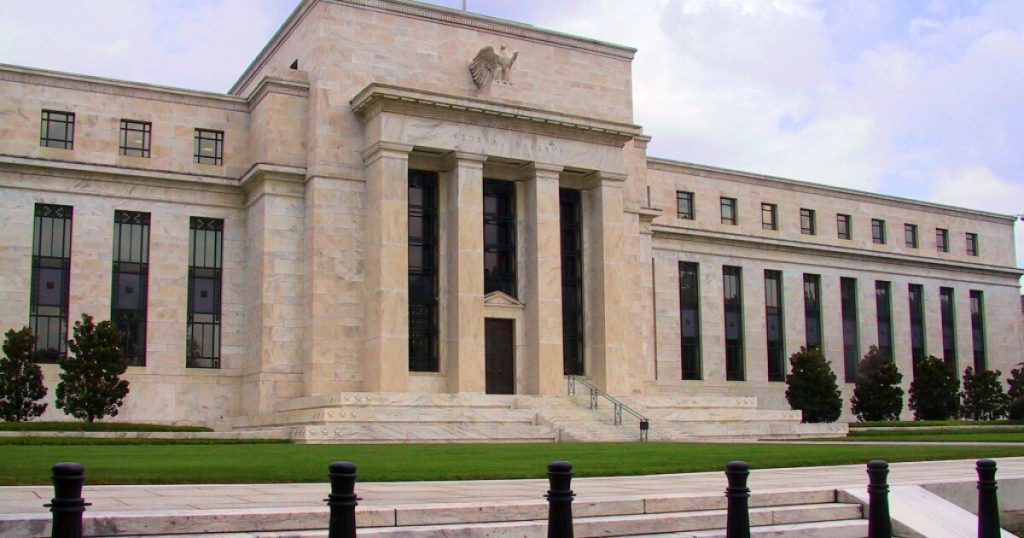
The Federal Reserve Board, in a unanimous vote Tuesday, moved to revise Morgan Stanley’s stress capital buffer requirement, finding that the bank overestimated potential losses in a group of loans.

The Fed said its analysis determined that “estimated losses in the bank’s fair value option loan portfolio were too conservative.” As a result, Morgan Stanley’s requirement was lowered to 4.3%, down from a preliminary 5.1%.

The revision comes a month after the Federal Reserve set new capital requirements for the nation’s largest banks, establishing the minimum equity they must hold to absorb losses in an economic downturn. The Fed withheld a final figure for Morgan Stanley after the bank requested a reduction in its stress capital buffer. A decision had been expected by Sept. 30.

In its decision, the Board of Governors said it opted to use Morgan Stanley’s second largest counterparty when measuring counterparty losses associated with default of the largest counterparty. The approach, it said, “would be more consistent with the Board’s treatment of similar counterparties.”

The Fed also said it will consider further refinements related to Morgan Stanley’s request as part of its upcoming proposal to improve the transparency of the stress test process. 

See also  First Citizens takes $83 million hit tied to First Brands

The new capital requirements, which go into effect on Oct. 1, will combine a 4.5% minimum requirement, a stress capital buffer of at least 2.5%, and surcharges for large banks. Revised figures could be published at a later date.

This year’s stress tests showed the strongest results since the current framework was adopted. U.S. banks saw their common equity Tier 1 capital ratios fall just 1.8% in the Fed’s “severely adverse” scenario, down from 2.8% in 2023 — the lowest capital loss rate since 2020. No banks failed under the simulation.

Fed Governor Michael Barr, the former Fed vice chair for supervision, issued a statement supporting the decision to lower Morgan Stanley’s stress capital buffer. In a statement, Barr said the Board “should use its inherent authority to set individualized capital requirements when appropriate.”

“I look forward to seeing the Board use its authority to adjust capital requirements when they are too low, as well as when they are too high, given the risks posed by individual firms,” he added Tuesday.

Under the leadership of current Vice Chair for Supervision Michelle Bowman, the Fed has begun reforming its stress testing framework to provide more transparency around the models and scenarios it uses to assess bank resilience and set capital expectations. Proposed changes include averaging stress test results over two years to reduce abrupt swings in capital requirements.

Barr, however, has expressed concern over the direction of the reforms, warning they could give banks too much insight into how the tests are constructed, potentially resulting in “testing [that is] less rigorous and nimble.”

See also  More capital or a new HQ? Here are UBS's options in Swiss standoff

Instead of making stress tests a binding part of capital regulation, Barr proposed a different approach: separating the stress tests from regulatory capital requirements entirely.

“This proposed approach of decoupling the stress tests from regulatory capital and increasing regulatory capital to make up the shortfall in the SCB appears to me to be the best way to retain the value of stress testing as a supervisory exercise while maintaining appropriate levels of capital in the system,” Barr said in late September.

Source link

capital Fed lowers Morgan Requirement Stanleys Stress
Share. Facebook Twitter Pinterest LinkedIn Tumblr Telegram Email
Previous ArticleDebt Resolution Programs Explained: How to Enroll
Next Article ACA premiums to more than double without enhanced subsidies

Related Posts

2025 was a big year for earned wage access | PaymentsSource

December 31, 2025

Judge blocks effort to allow CFPB funding to run out

December 31, 2025

5 trends that shaped the credit union industry in 2025

December 30, 2025
Add A Comment
Leave A Reply Cancel Reply

Top Posts

Get a new summer wardrobe on a budget

May 9, 2025

Coinbase breach underscores insider risk in finance

May 16, 2025

It’s Time To Buy Bonds—Here’s Why. And How.

January 18, 2025
Ads Banner

Subscribe to Updates

Subscribe to Get the Latest Financial Tips and Insights Delivered to Your Inbox!

Stay informed with our finance blog! Get expert insights, money management tips, investment strategies, and the latest financial news to help you make smart financial decisions.

We're social. Connect with us:

Facebook X (Twitter) Instagram YouTube
Top Insights

How Americans Have Achieved Unprecedented Prosperity

December 31, 2025

Can Credit Card Companies Garnish Your Wages?

December 31, 2025

The ‘Trump Trade’: What it is and how it impacts the markets

December 31, 2025
Get Informed

Subscribe to Updates

Subscribe to Get the Latest Financial Tips and Insights Delivered to Your Inbox!

© 2025 Smartspending.ai - All rights reserved.
  • Contact
  • Privacy Policy
  • Terms & Conditions

Type above and press Enter to search. Press Esc to cancel.