
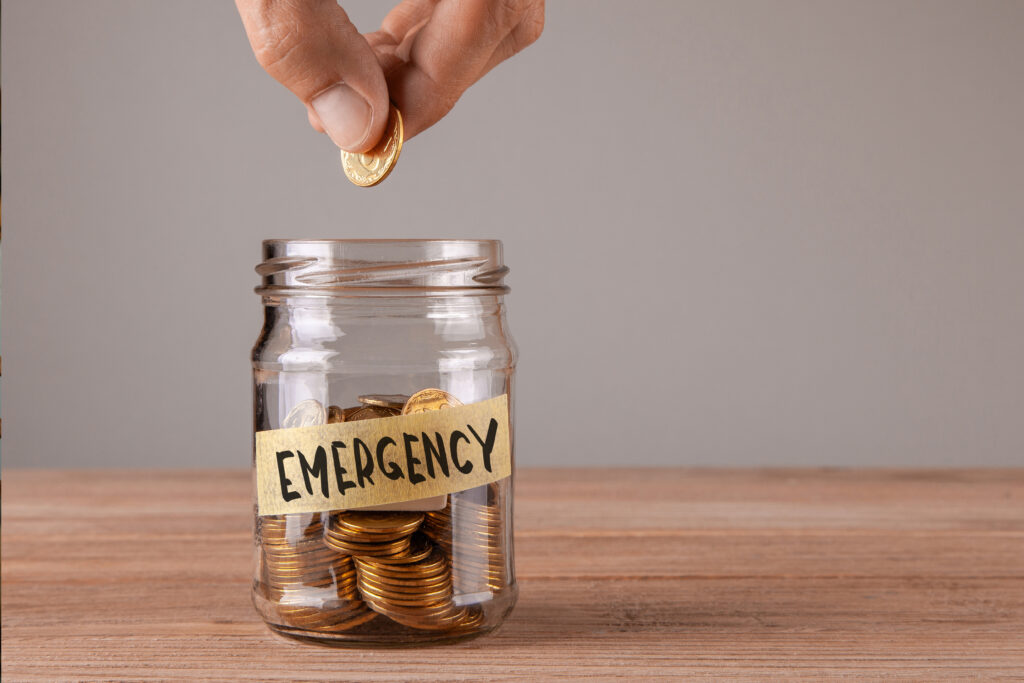
Unexpected expenses can happen without warning—a flat tire, a medical bill, or a sudden pet emergency. Having an emergency fund gives you a safety net so you don’t have to rely on credit cards or loans when something goes wrong.
Even if saving feels out of reach, starting small is better than waiting until you can save a large amount. What matters most is consistency. Setting aside even a few dollars a week can help you start building a habit that protects your finances over time.
1. Look at Your Current Finances
Start by reviewing your income, expenses, and any savings you already have. List your essential costs—like rent, utilities, food, and transportation—so you can see where your money goes each month.
Look for a few places where you could cut back, such as canceling a streaming service or cooking at home more often. Even freeing up $20 or $30 a week can make a difference over time.
If saving feels impossible right now, focus on stabilizing your budget first. Once your bills are covered and your income feels steady, you’ll have a clearer picture of how much you can set aside regularly for emergencies.
2. Choose a Realistic Goal
Decide how much to save for your first milestone. Many people start with one month’s worth of basic expenses, then build from there. This gives you a goal that feels reachable instead of overwhelming.
Over time, you can aim to save enough to cover three to six months of essential bills. The right amount depends on your income, household size, and comfort level. The goal is to create a cushion that helps you handle emergencies without turning to credit.
3. Open a Separate Savings Account
Keeping your emergency money in a separate account helps you avoid the temptation to spend it on everyday purchases. Look for a simple savings account with no monthly fees and easy access when you need the funds.
If possible, choose an account that earns a small amount of interest. The extra growth may be modest, but it can help your fund build faster over time. What matters most is that the account is easy to manage and reserved only for true emergencies—like car repairs, medical costs, or urgent home needs.
4. Automate Your Savings
One of the easiest ways to grow your emergency fund is to make saving automatic. Set up a recurring transfer from your main checking account to your emergency fund each payday. Treat it like any other bill you pay.
Automating your savings removes the pressure to remember each month and helps you stay consistent. If you earn extra money from side work or a tax refund, consider sending part—or all—of it directly into your emergency account. Even small, steady deposits can add up faster than you might expect.
5. Review and Adjust
Check your progress every few months to see how your emergency fund is growing. If your income changes, or if you have to dip into your savings for an unexpected expense, adjust your plan and keep going.
Remember, building an emergency fund is about progress over perfection. Every deposit strengthens your financial safety net and makes it easier to handle the next surprise that comes your way.
Start Building Your Emergency Fund Today
Building an emergency fund takes time, but every small step helps you get closer to financial stability. Saving even a little bit each week can give you peace of mind and help you handle life’s unexpected moments without added stress.
The most important thing is to start now. Whether your first goal is $100 or one month of expenses, the habit you build today can make all the difference when the next emergency happens.
The content provided is intended for informational purposes only. Estimates or statements contained within may be based on prior results or from third parties. The views expressed in these materials are those of the author and may not reflect the view of SmartSpending. We make no guarantees that the information contained on this site will be accurate or applicable and results may vary depending on individual situations. Contact a financial and/or tax professional regarding your specific financial and tax situation. Please visit our terms of service for full terms governing the use this site.