
Close Menu
  • Home
  • Finance News
  • Personal Finance
  • Investing
  • Cards
    • Credit Cards
    • Debit
  • Insurance
  • Loans
  • Mortgage
  • More
    • Save Money
    • Banking
    • Taxes
    • Crime
What's Hot

Stocks making the biggest moves midday: NVO, NOW, FCX, GPCR

December 23, 2025

Deposit insurance reform is about paychecks and communities

December 23, 2025

How To Avoid These Costly Mistakes

December 23, 2025
Facebook X (Twitter) Instagram
Smart SpendingSmart Spending
Subscribe
  • Home
  • Finance News
  • Personal Finance
  • Investing
  • Cards
    • Credit Cards
    • Debit
  • Insurance
  • Loans
  • Mortgage
  • More
    • Save Money
    • Banking
    • Taxes
    • Crime
Smart SpendingSmart Spending
Home»Banking»Let the market decide the future shape of banking in the US
Banking

Let the market decide the future shape of banking in the US

December 23, 2025No Comments4 Mins Read
Facebook Twitter LinkedIn Telegram Pinterest Tumblr Reddit WhatsApp Email
Let the market decide the future shape of banking in the US
Share
Facebook Twitter LinkedIn Pinterest Email

Real innovation doesn’t stem from wiping out community banks or forcing consolidation. Innovation comes from fair competition, secure data protocols, and clear rules that apply equally to banks and fintechs of all sizes, writes Vance Ginn.

Frank Gargano

Americans have more tools than ever before to save, borrow, invest and build their financial futures. That’s a good thing, driven by investments from both banks and technology companies of all sizes that have identified market gaps and responded.

Processing Content

Yet alongside this progress, a troubling mindset is gaining ground. Plaid CEO Zach Perret recently said many small-town banks “should be consolidated,” drawing attention to a growing belief among some fintech leaders, policymakers and regulators. The idea being that small, community banks lack the resources and expertise to invest in new technologies to enable open banking and other tools and, therefore, they fail to deliver sufficient value to their customers.

Let’s set aside the fact that community banks consistently earn high marks from the consumers and small businesses they serve — and that community banks are key contributors to underserved communities, such as rural America, where many large institutions do not have branches. Whether we need 4,000 banks or 400 is not the question; the market will ultimately decide what that number should be. The real issue is who gets to decide — consumers and businesses, or Washington bureaucrats and tech executives?

Too often, public policy now leans toward the latter. Since the 2010 Dodd-Frank Act, federal regulations have made it increasingly difficult for midsize and regional institutions to compete. The result has been more top-down pressure, more compliance hurdles and a steady push toward consolidation.

See also  GOP reps. push banking regulators to ease rules for midsize banks

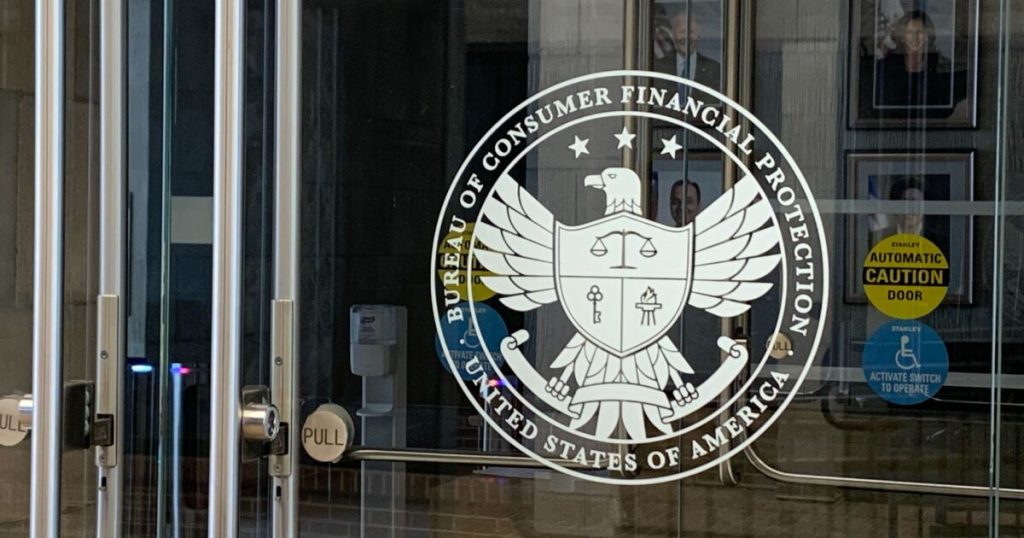
Consider the Consumer Financial Protection Bureau’s Section 1033 “open banking” rule. It’s pitched as a pro-consumer policy — one that allows people to share their financial data across platforms and providers. That sounds reasonable. But the rule goes much further. It requires banks and credit unions to provide major technology companies and data aggregators access to their proprietary infrastructure and customers’ data at no cost.

In practice, that’s essentially a price control. It tells financial institutions they must give away something of real value without negotiation or compensation. It also puts smaller institutions on the hook to implement costly new systems and compliance regimes to the benefit of technology companies seeking to profit from their data. That’s not how free markets work. It’s how regulators discourage innovation.

Real innovation doesn’t stem from wiping out smaller institutions or forcing consolidation. Innovation comes from fair competition, secure data protocols, and clear rules that apply equally to banks and fintechs of all sizes. If a financial institution can’t meet consumer needs, it should lose customers. If a new platform offers something better, it should win on merit — not through regulatory favors or federal mandates.

The Trump administration did the right thing when it paused implementation of Section 1033 and reopened the rulemaking process. But we shouldn’t stop there.

It’s time to reconsider the broader legacy of Dodd-Frank and the unchecked authority of the CFPB. These structures have imposed significant burdens on smaller banks, increased systemic risk by pushing consolidation, and removed key decisions from the marketplace and placed them in the hands of regulators.

See also  With problems behind it, Home BancShares preps for a deal

Americans don’t benefit when a handful of platforms become the default gateway for financial access. They benefit when multiple institutions are allowed to experiment, adapt, and serve people according to local needs and personal preferences. A system with fewer players might look more efficient on paper, but it also becomes more fragile, more distant and more easily manipulated from the top.

Policymakers should reject the consolidation-at-all-costs narrative. That includes rent-seeking by fintech companies, rulemaking from agencies with too much discretion and regulation that substitutes bureaucratic judgment for consumer choice.

We may not need as many banks as we have today — but that’s for the market to decide. Not Washington. Not Silicon Valley. And certainly not those who benefit from rigging the system.

If we want a financial system that remains strong, competitive, and open to innovation, we should protect the principle that built it in the first place: freedom to choose.

Source link

banking decide future Market shape
Share. Facebook Twitter Pinterest LinkedIn Tumblr Telegram Email
Previous ArticleDid these 25 people actually change banking in 2025?
Next Article Expiring ACA subsidies will affect these Americans most

Related Posts

Deposit insurance reform is about paychecks and communities

December 23, 2025

Did these 25 people actually change banking in 2025?

December 23, 2025

St. Louis man sentenced to six years for check-fraud scheme

December 23, 2025
Add A Comment
Leave A Reply Cancel Reply

Top Posts

Department store perks rival some online retailers

October 12, 2025

What is ESG investing? A guide to socially responsible investing

November 20, 2025

Mortgage Rates Want a Trade Deal, But Patience Might Be Needed

April 25, 2025
Ads Banner

Subscribe to Updates

Subscribe to Get the Latest Financial Tips and Insights Delivered to Your Inbox!

Stay informed with our finance blog! Get expert insights, money management tips, investment strategies, and the latest financial news to help you make smart financial decisions.

We're social. Connect with us:

Facebook X (Twitter) Instagram YouTube
Top Insights

Stocks making the biggest moves midday: NVO, NOW, FCX, GPCR

December 23, 2025

Deposit insurance reform is about paychecks and communities

December 23, 2025

How To Avoid These Costly Mistakes

December 23, 2025
Get Informed

Subscribe to Updates

Subscribe to Get the Latest Financial Tips and Insights Delivered to Your Inbox!

© 2025 Smartspending.ai - All rights reserved.
  • Contact
  • Privacy Policy
  • Terms & Conditions

Type above and press Enter to search. Press Esc to cancel.