
Close Menu
  • Home
  • Finance News
  • Personal Finance
  • Investing
  • Cards
    • Credit Cards
    • Debit
  • Insurance
  • Loans
  • Mortgage
  • More
    • Save Money
    • Banking
    • Taxes
    • Crime
What's Hot

How job seekers can stand out in a hiring recession

January 10, 2026

What Trump’s plan to limit investors could change

January 10, 2026

How to Not Get Blindsided by a Bear Market

January 10, 2026
Facebook X (Twitter) Instagram
Smart SpendingSmart Spending
Subscribe
  • Home
  • Finance News
  • Personal Finance
  • Investing
  • Cards
    • Credit Cards
    • Debit
  • Insurance
  • Loans
  • Mortgage
  • More
    • Save Money
    • Banking
    • Taxes
    • Crime
Smart SpendingSmart Spending
Home»Banking»What banks should expect from new EWA trends | PaymentsSource
Banking

What banks should expect from new EWA trends | PaymentsSource

January 9, 2026No Comments5 Mins Read
Facebook Twitter LinkedIn Telegram Pinterest Tumblr Reddit WhatsApp Email
What banks should expect from new EWA trends | PaymentsSource
Share
Facebook Twitter LinkedIn Pinterest Email

  • Key insights: The earned wage access market is getting more competition from new fintechs.  
  • What’s at stake: Most of these transactions involved bank accounts, creating a need for banks to be in tune with shifts in EWA. 
  • Forward look: Stablecoins could soon be an option for EWA transactions. 

The earned wage access market is in flux, with new competition and new rules. 

Processing Content

“I think the two big EWA trends will be increased integration of EWA as an option in mainstream payroll systems and more clarity across the evolving state-level patchwork of regulation,” Eric Grover, principal at Intrepid Ventures, a corporate development and strategy consultancy, told American Banker in an email.

With regulatory, legislative and business developments on the horizon, here’s what banks need to know: 

Why this matters

Grover said banks need to pay attention to the various developments in EWA “because ultimately virtually all these payments, whether instant or not, are debited and credited to bank accounts.” In the future, however, this could expand to other forms of payment, he noted in an email. “One can imagine a future world where a significant portion of EWA is served by stablecoins, but we’re not close, and, even in that world, regulated banks would be in the value chain.”

More providers will enter the marketplace

The market for employer-partnered earned wage products continues to accelerate. The Consumer Financial Protection Bureau estimates that the number of transactions processed by these providers blossomed by more than 90% from 2021 to 2022. The CFPB estimates that more than 7 million workers accessed about $22 billion in 2022. 

See also  Fed says banks are well managed even with a deficient rating

Brian Tate, president and chief executive of the Innovative Payments Association, predicted that more EWA providers will be encouraged by a December advisory opinion from the CFPB that “covered” earned wage access products should not be considered an extension of credit under the Truth in Lending Act. This opinion formally rescinded a 2024 proposed interpretive rule that would have classified on-demand pay as a loan. 

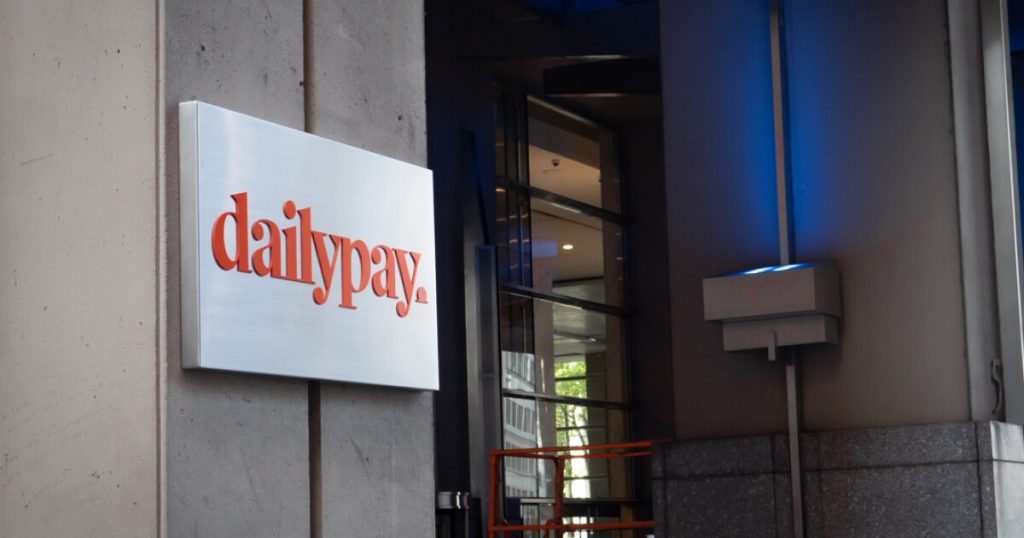
The CFPB’s action “will significantly lessen compliance challenges for companies, protect workers’ access to earned pay and support innovation,” Jared DeMatteis, chief legal and strategy officer at EWA provider DailyPay wrote in an email to American Banker. 

Tate said he’s hopeful that policymakers at all levels will decide this is the correct approach. “If it’s your money and you’ve earned it, the question really should be why aren’t we helping people access those funds?” he told American Banker.

Hopes for clarity at the state level

There’s significant disagreement among market participants about how EWA products should be classified. Some dozen states have introduced a regulatory framework for EWA, and Phil Goldfeder, chief executive of The American Fintech Council, told American Banker he expects around the same number will implement legislation or start the wheels turning in 2026. 

For some states where legislation has been enacted, Monica Burks, policy counsel at the Center for Responsible Lending, anticipates more clarity to promote consumer protections. Maryland Governor Wes Moore, for example, has asked for certain provisions in the state’s legislation to be strengthened to protect consumers and “prevent misuse or inappropriate lending practices,” according to a letter sent by Moore to the Maryland House of Delegates.

See also  Best banks for early direct deposit in 2025

“That’s what we’re hoping and looking to see changed in Maryland this year,” Burks told American Banker.

The Center for Responsible Lending in October released a policy report that called on state lawmakers to better protect borrowers. The recommendations included eliminating EWA exemptions from credit laws, holding fees to rate caps where they exist, imposing rate caps in states where they don’t exist and requiring robust data reporting and transparency so consumers can’t use EWA services from multiple providers for the same wages, American Banker reported. 

Possible federal rulemaking

The American Fintech Council is working with both parties in Congress to reintroduce legislation that CEO Goldfeder said would provide the industry with stability for long-term operational success. This would replace an earlier bill, introduced last year, codifying best practice for EWA providers, clarifying EWA is not a loan and ensuring strong fee disclosures and transparent operation, Goldfeder told American Banker.

“Regulatory clarity in every aspect of fintech is critically important,” Goldfeder said. “For banks, regulatory clarity is key, so they understand and know the parameters for partnering with various fintechs on these products.”

Continuation of court battles

Courts are increasingly treating earned wage access products as extensions of consumer credit under federal lending laws, according to a blog from law firm Sheppard Mullin. This means EWA providers and their bank partners “should review their product terms and agreements to ensure compliance” with The Military Lending Act, The Truth in Lending Act and other federal lending laws. It’s important as “regulators and courts continue to narrow the distinction between earned wage access and credit products,” according to the blog.

See also  U.S. Bank's prepaid cards look for demand for digital tips | PaymentsSource

Industry participants expect to see more court battles playing out this year. For instance, attorneys working with ClassAction.org are pursuing various mass arbitrations that involve banks and other companies providing financial services, some of which are related to EWA.

For example, a proposed class action lawsuit from October claims that True Finance’s earned-wage access payday loan product burdens active-duty servicemembers and their dependents with triple- or quadruple-digit finance charges. The lawsuit contends that the company’s business practices violate The Military Lending Act and The Truth in Lending Act.

Source link

Banks EWA expect PaymentsSource trends
Share. Facebook Twitter Pinterest LinkedIn Tumblr Telegram Email
Previous ArticleJanuary Social Security checks: 2026 benefits rise 2.8%
Next Article Trump will use other tariff authorities to get to ‘same place’ if Supreme Court rules against him: Hassett

Related Posts

What Trump’s plan to limit investors could change

January 10, 2026

Labor market ends 2025 with weak December job growth

January 10, 2026

As QT ends, bank regulators now hold the real growth lever

January 10, 2026
Add A Comment
Leave A Reply Cancel Reply

Top Posts

FinCEN tightens rules for transactions near southern border

March 12, 2025

The New Trend In Personal Finance: Revenge Saving

July 1, 2025

Intel, Palo Alto Networks and more

August 20, 2025
Ads Banner

Subscribe to Updates

Subscribe to Get the Latest Financial Tips and Insights Delivered to Your Inbox!

Stay informed with our finance blog! Get expert insights, money management tips, investment strategies, and the latest financial news to help you make smart financial decisions.

We're social. Connect with us:

Facebook X (Twitter) Instagram YouTube
Top Insights

How job seekers can stand out in a hiring recession

January 10, 2026

What Trump’s plan to limit investors could change

January 10, 2026

How to Not Get Blindsided by a Bear Market

January 10, 2026
Get Informed

Subscribe to Updates

Subscribe to Get the Latest Financial Tips and Insights Delivered to Your Inbox!

© 2026 Smartspending.ai - All rights reserved.
  • Contact
  • Privacy Policy
  • Terms & Conditions

Type above and press Enter to search. Press Esc to cancel.