
- Key insight: Democratic senators are launching a probe into whether major U.S. and global banks are helping the Trump administration process Venezuelan oil sales.
- Supporting data: The lawmakers wrote to Bank of America, Barclays, BMO, BNP Paribas, Citi, Deutsche Bank, Goldman Sachs, HSBC, JPMorganChase, MUFG, RBC, Santander, Standard Chartered Bank, TD Bank and UBS.
- Forward look: Banks must disclose communications, their level of involvement and custody structures by month’s end, with regular updates.
A group of Democratic senators on Friday pressed the top banks operating in the U.S. as to the extent of their involvement in the Trump administration’s announced plan to seize and distribute revenue from the sale of Venezuelan oil, following the capture of ousted president Nicolas Maduro earlier this month.
Processing Content
Banks do little direct business with Venezuela, which has operated under sanctions for years. But a Jan. 7
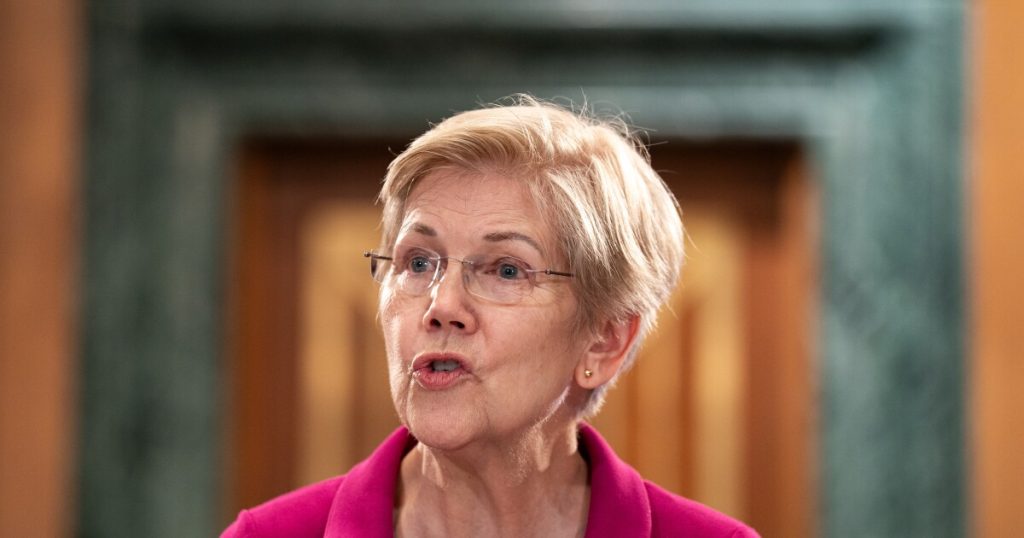
The lawmakers conveyed their concerns in 15 individual letters sent to Bank of America, Barclays, BMO, BNP Paribas, Citi, Deutsche Bank, Goldman Sachs, HSBC, JPMorganChase, MUFG, RBC, Santander, Standard Chartered Bank, TD Bank and UBS. The signatories included senators Elizabeth Warren, D-Mass., Ron Wyden, D-Ore., Sheldon Whitehouse, D-R.I., Peter Welch, D-Vt., and Brian Schatz, D-Hawaii.
“The fact sheet failed to provide any information about which banks would house such U.S. controlled accounts, how the banks would ‘execute and provide financial support’ for oil sales, how or under what authority the Administration would exercise ‘discretion’ in spending the proceeds of sales of Venezuela’s oil,” wrote the senators. “(I)t appears that at least a portion of the oil proceeds will be held in the U.S. Treasury despite being the sovereign property of another country. It is unclear whether and to what extent the Administration still plans to direct some proceeds of oil sales into accounts held at banks in the private sector.”
The administration has billed the capture of Maduro and military incursion into the country as an opportunity to siphon the country’s oil money. Banks were already very limited in their ability to work with the long-sanctioned nation.
“The indirect exposure U.S. banks have is largely through global oil markets, but this should be limited, as Venezuela’s oil production accounts for less than 1% of global oil demand,” wrote Mark Zandi, the chief economist at Moody’s Analytics. “If Venezuela’s political situation stabilizes and foreign investment in the country resumes, then there may be some opportunities for U.S. banks to help finance that investment, but that is a big if, and it will at best take years to play out.”
The senators argued the routing of proceeds through banks undercuts President Trump’s prior statements saying the funds would be under government control, demanding answers as to who controls the money and whether it would be housed in the U.S. Treasury or private-sector banks.
The letter demands each bank disclose whether it was contacted by administration officials before or after Jan. 7, whether firms are assisting in oil transactions, whether it plans to custody proceeds in its accounts as well as to provide any relevant communication documents. The letters require ongoing monthly updates from the firms on these issues.