
- What’s at stake: Consumer advocates and some corporate debt collectors fear that possible changes to the consumer complaint portal — such as mandatory two-factor authentication and limiting complaints per IP address — are a concession to the industry rather than a streamlining effort.
- Key insight: The changes create new hurdles that some fear will disproportionately deter legitimate complaints from vulnerable populations such as seniors and low-income families.
- Supporting Data: Debt collection complaints have nearly doubled in a year, with nearly half of all complaints involving attempts to collect debt that consumers say they do not owe.
The Consumer Financial Protection Bureau is facing a backlash over its recent
Processing Content
The CFPB on Feb. 4 added pages of
The CFPB is considering other industry-backed changes to the complaint process, including requiring two-factor authentication for complaints and limiting the number of complaints from a single phone number or IP address. Experts say those moves seem to be aimed at curbing overall complaint volume, which is at an all-time high.
Some debt collectors claim the CFPB under the Trump administration has made a cynical concession to
“Adding additional authentication hurdles won’t meaningfully reduce frivolous complaints, but it will absolutely deter legitimate ones,” said Dean Kaplan, CEO at
Other experts said the CFPB made necessary changes to cut down on repeat, duplicate disputes.
“The amount of duplicate, boilerplate complaints is overwhelming,” said Joann Needleman, a member and leader of the financial services regulatory and compliance practice at the law firm Clark Hill. “The industry has been inundated with false complaints and the problem is the real disputes are getting lost in the shuffle. It’s being abused.”
The CFPB uses the complaint database as an early warning system to flag financial firms and products that need further investigation. But acting CFPB Director Russell Vought has
Discouraging consumers from filing complaints is not a solution to the issue, advocates say.
“Now the CFPB is aggressively discouraging actual complaints from consumers at a time when complaints have really shot up in the past two years,” said April Kuehnhoff, senior attorney at the
The complaint database serves as an early warning system, prompting the CFPB to investigate companies and products. The financial services industry has long asked the CFPB to eliminate unsubstantiated complaints. Another major industry criticism is that the CFPB does not verify complaints itself.
The three credit bureaus — Equifax, Experian and TransUnion — have
“It’s going to help reduce the volume of complaints,” she said.
But the changes, Kaplan said, could have an impact on “vulnerable populations who already face barriers to accessing the financial system.”
Chi Chi Wu, director of consumer reporting and data advocacy at NCLC, said the credit bureaus throw up obstacles to disputes and have a hard time distinguishing legitimate complaints from those it deems “suspicious,” even rejecting thousands of disputes based on insufficient review.
She thinks some people will be discouraged because the CFPB is now requiring that citizens attest to the
Limiting complaints per phone number, in particular, would hit low-income households in which several adults share one phone line, effectively forcing families to decide who gets to seek help, Kaplan said. If the bureau limits complaints filed from one IP address, it would make it harder for people to file complaints from libraries, housing shelters and legal aid offices, where people already go when they’re in a crisis, Kaplan said.
Capping complaints by phone number “would end up punishing consumers with complex debt problems, while doing very little to address the bad actors industry groups say they’re worried about,” he said.
Seniors represent a significant portion of debt collection complaints and they face challenges with digital authentication systems. Many rely on shared devices, public library computers, or assistance from family members or advocates to file complaints.
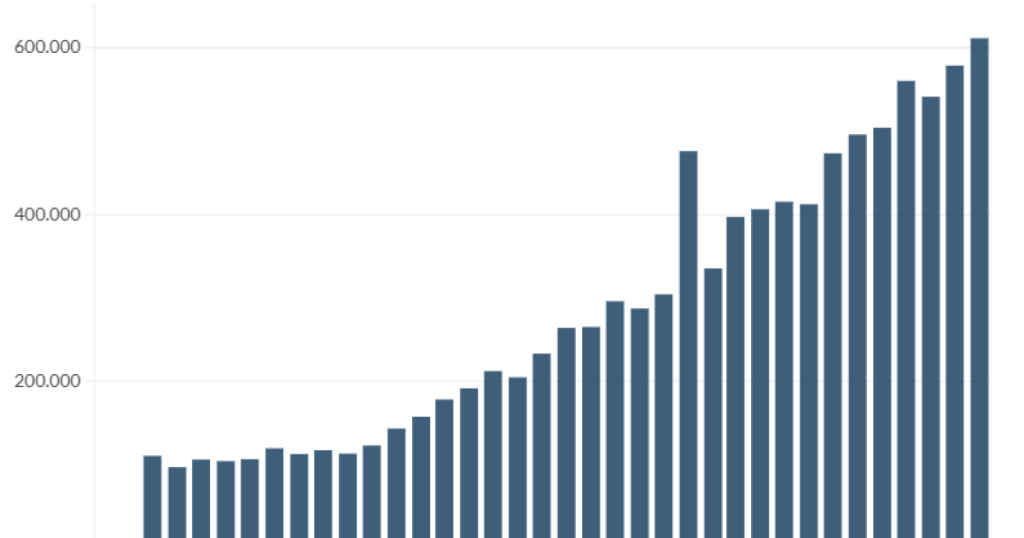
Meanwhile, complaints are surging.
In 2025, there were 2.6 million total complaints to the CFPB, up 90% from a year earlier,
Attempts to collect a debt that a consumer said they did not owe accounts for nearly half of all debt collection complaints. Kaplan’s company, which also
Scott Purcell, the CEO of ACA International, the trade group for debt collectors, said many disagreements about disputed debts involve medical debts in which insurance has not been applied before the debt went to collection. The CFPB’s database currently lacks the “functionality” to reflect when a medical debt dispute has been resolved, ACA said.
“Raw complaint data from the CFPB has never been an accurate reflection of wrongdoing from legitimate debt collectors, especially if it reflects a business inquiry or dispute and not a complaint,” Purcell said in an email.
Financial influencers have compounded the illegitimacy of the complaint portal, he said, “to the point where it is virtually meaningless to look at the raw number of complaints it receives.”
Kaplan countered that adding even more requirements to the portal “would disproportionately impact the very consumers who most need CFPB protection.”