
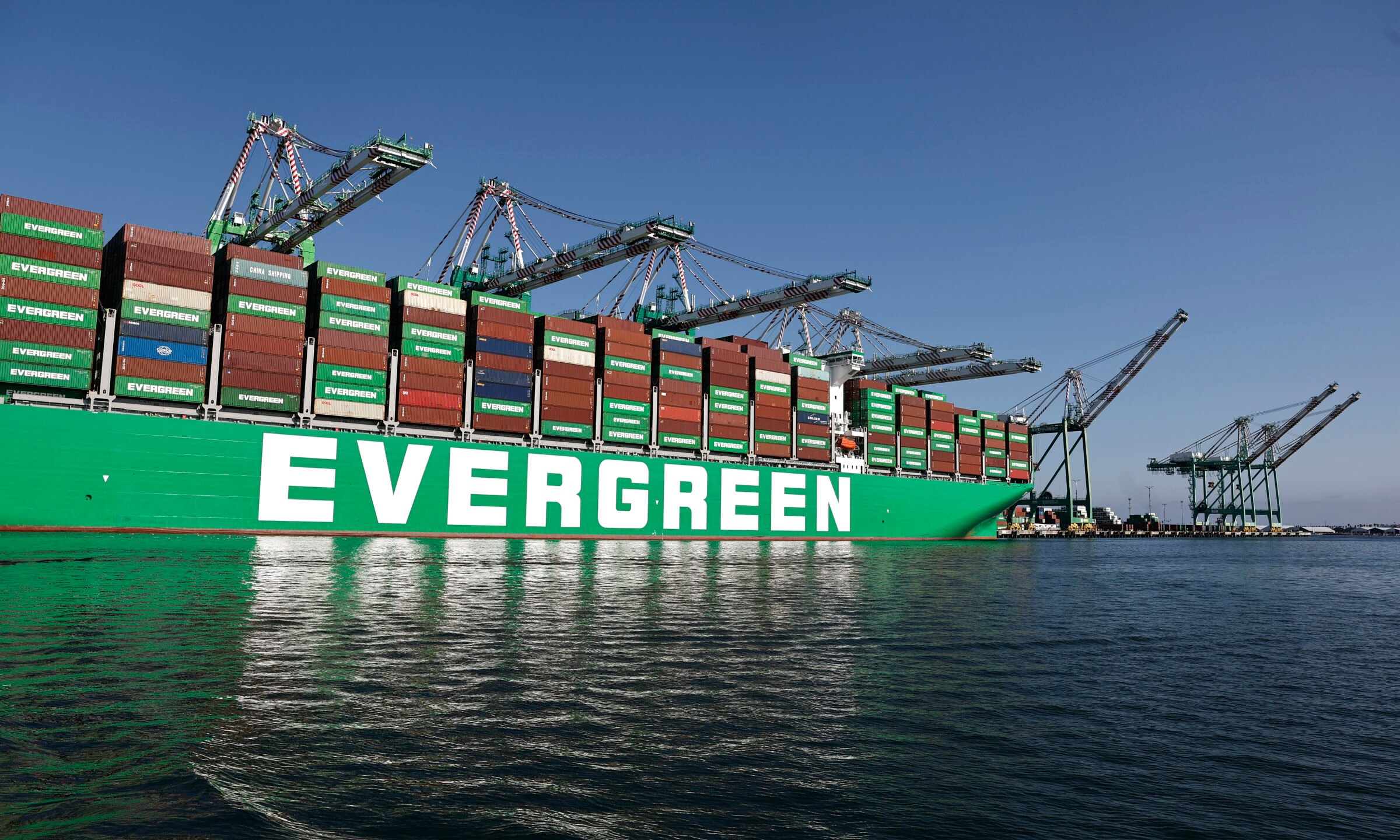
The ruling means the U.S. may owe businesses many billions of dollars in refunds. It also means that consumers could eventually see lower prices than they have since the reciprocal tariffs began.
But the SCOTUS ruling doesn’t mean the end of tariffs altogether — Trump’s tariffs on steel and aluminum, for example, would stand. And the president can certainly impose more tariffs, but he’ll have to find a different channel to do so.
Trump says the tariffs are meant to counter what he describes as unfair trade practices and to pressure trading partners into negotiating more favorable terms for the U.S.
Meet MoneyNerd, your weekly news decoder
So much news. So little time. SS’s new weekly newsletter makes sense of the headlines that affect your wallet.
SUBSCRIBE FOR FREE
Several private companies and 12 states challenged the reciprocal tariffs in a series of lawsuits, arguing that IEEPA did not give the president authority to enact the tariffs and that this type of sweeping trade policy requires congressional authorization.
Federal district courts ruled in favor of the challengers, stating that the president did not have the authority to impose tariffs under the IEEPA and that Congress historically maintains control over broad tariff policies.
The Trump administration appealed those rulings, arguing that the IEEPA gives the president discretion to respond to economic threats.
On Nov. 5, the Supreme Court heard oral arguments in Learning Resources v. Trump, a case consolidating the key questions in the lower-court cases. During arguments, several justices appeared skeptical of the administration’s use of IEEPA as justification for imposing large-scale tariffs.
On Feb. 20, SCOTUS agreed 6-3 that the administration could not enact tariffs under the IEEPA.
“The President asserts the extraordinary power to unilaterally impose tariffs of unlimited amount, duration, and scope,” wrote Chief Justice John Roberts in the majority opinion. “In light of the breadth, history, and constitutional context of that asserted authority, he must identify clear congressional authorization to exercise it.”
Roberts said IEEPA cannot be used as justification because the IEEPA contains no reference to tariffs or duties, there is no statute in which Congress gives the president power to “regulate” imports and no president has used IEEPA to impose tariffs.
What does the tariff ruling mean for you?
The court’s ruling means the tariffs enacted under the IEEPA — the majority of Trump’s second-term tariffs — are null and void.
Without tariffs, importers’ costs will fall, which means the cost of doing business will go down. As a result, consumer prices are likely to eventually ease, meaning everyday imports like electronics and appliances, apparel, auto parts and furniture could get cheaper. That dynamic is also likely to ease tariff-fueled inflation.
Without tariffs, shipping products internationally will likely be faster, and importers won’t have to rely on supply-chain workarounds. Not only will overseas purchases arrive faster, but there will also likely be more options on store shelves.
However, it will take time for prices to come down as importers work through inventories purchased under tariff conditions and wait for contracts with suppliers or shippers to unwind. In other words, consumers probably won’t see price drops overnight.
There’s another wrinkle, too: Some companies may not lower prices and instead absorb the savings from the absence of tariffs as profit.
Importers expect to be refunded
Importers will no longer have to pay tariffs going forward and with tariffs struck down, importers are expected to receive refunds on levies paid while the tariffs were in place. What’s unclear at the moment is how businesses will recoup that tariff money and the timeline for doing so. Administering the process could take years.
Some companies have already sold their rights to any future refund money they might receive under the ruling, which allowed them to get cash immediately instead of waiting for a refund later. Investors, banking on tariffs being overturned, paid only a small fraction up front and reserved the rights to the eventual refunds.
Trump will likely seek other ways to impose tariffs
It’s likely the Trump administration won’t give up on tariffs. Trump has other potential avenues to enact levies on imports without Congress including:
-
Section 232 of the Trade Expansion Act of 1962, which gives the president authority to impose restrictions, like tariffs, if the Secretary of Commerce declares a threat to national security. Trump has used Section 232 for his tariffs on steel and aluminum, for example.
-
Section 301 of the Trade Act of 1974, which gives the president the authority to take actions, such as enacting tariffs, against unreasonable or unjustifiable foreign trade practices. During Trump’s first term, he used Section 301 as the basis for tariffs on China.
Elizabeth Renter, SS’s senior economist, says the ruling presents new uncertainty for consumers who have already felt the impact of tariffs for months. “While the Administration will likely seek alternative routes to achieve their ends, there will be no plug-and-play solution that allows things to continue on the path they’ve been on,” says Renter. “For consumers, the ruling means less risk of higher and higher prices, but no end in sight to the economic uncertainty.”
Trump blasts Supreme Court decision, calls for 10% new tariffs
Trump was furious with the court’s decision.
On Friday, in a press conference following the announcement, Trump said the SCOTUS decision was a “disgrace” and “ridiculous.” He also characterized the justices who sided against him as “unpatriotic.”
“Foreign countries that have been ripping us off for years are ecstatic,” said Trump. “They’re so happy and they’re dancing in the streets, but they won’t be dancing for long, that I can assure you.”
Trump said that all existing national security tariffs under Section 232 of the Trade Expansion Act of 1962 and Section 301 of the Trade Act of 1974 will remain fully in place.
He also pointed to other “powerful” alternatives he has to impose tariffs and said that, beginning on Monday, he would impose a 10% tariff worldwide under section 122 of the Trade Act of 1974. But the law only allows tariffs to be in place of 150 days, so it’s unclear how long those tariffs would last.
Trump said that enacting tariffs under other statutes would take longer, but his administration would continue to pursue them. “I thought I’d make things simple, but they didn’t let us do that,” he said. Trump also indicated he would not need to work with Congress to enact more tariffs.
When asked what would happen to the revenue the U.S. government has received from tariffs he said it was unclear, adding, “We’ll end up being in court for the next five years.”
(Photo by Mario Tama/Getty Images Images via Getty Images)
Article sources
SS writers are subject matter authorities who use primary,
trustworthy sources to inform their work, including peer-reviewed
studies, government websites, academic research and interviews with
industry experts. All content is fact-checked for accuracy, timeliness
and relevance. You can learn more about SS’s high
standards for journalism by reading our
editorial guidelines.