
Everyone is
Processing Content
That’s the big obsession in fintech today.
But are we building a system, or further fragmenting a financial landscape that stablecoins were supposed to fix? The net result of all the distraction might end up being a cluttered, fractured space that ultimately holds stablecoins back from their true potential.
The financial incentives to verticalize and own your own stablecoin stack are considerable, for sure. By issuing a coin, a company becomes functionally like a bank — taking custody of customer funds, deploying them into short-term assets like Treasuries, and retaining the yield, which is
It also creates a self-contained payment ecosystem, bypassing costly interchange fees and dependence on legacy networks. Stripe is leading the charge here, with its own coin, blockchain, wallet and network.
But while building a proprietary system has those clear economic advantages, the risks are high, and the chance of success is low and getting lower with each new self-contained system. The fundamental challenge is liquidity and interoperability. If the system isn’t immediately vast enough, it won’t be used. Users won’t want their money locked in a jail their funds can’t escape from.
The proliferation of these “walled gardens” creates a systemic risk for the industry. Many will grow just large enough to become a profitable headache for their issuer — making just enough money to make it hard to justify killing them, but falling short of the scale required for mass adoption. Transactions are constrained; liquidity is weak. Companies are stuck.
The aggregation of these sub-scale ecosystems leads to a fractured, confusing and ultimately unusable network.
Consider a major global buy now/pay later provider with its own coin. Do its users have to pay in that coin? Are the merchants forced to accept it? And how is that coin passed back to their supplier? Any company with a multisided marketplace looking to launch their own stablecoin will face these issues. Adoption must be high amongst all parties on a platform for transactions to run seamlessly.
The standard answer to this fragmentation is interoperability, sure. But this answer ignores the considerable technical and logistical hurdles that need to be cleared — hurdles that often cut against the benefits of the vertical investment in the first place.
Every stablecoin is an IOU. They are a digital voucher, waiting to be redeemed. That redeemability is the key question, and the biggest risk. Will the tokens I hold from Company A, Company B and Company C redeem quickly? Will there be charges to each that reduce the coin’s effective value? And, most importantly, will there be enough liquidity to make interoperability even possible?
If a user wants to exchange one stablecoin for another stablecoin, and insufficient liquidity exists for that pair, they are forced to redeem to fiat dollars first, and then convert. When that process is necessary, the utility of the stablecoin is immediately undermined.
This excitement to build vertically obscures the true value of stablecoins, which lies in the horizontal benefits. Stablecoins represent a generational leap in global finance infrastructure, the first in the modern era.
They represent the first opportunity in our lifetime to move the flow of money from antiquated, slow, backroom processes to the always-on, seamless flow of the future. Realizing this potential requires merging crypto-native infrastructure with the scale of traditional banking. The fusion of fiat and stablecoins is the future, not the fragmentation of one to more closely resemble the other.
The most important truth is that people are not clamoring to hold a wallet full of bespoke stablecoins. They simply want the system to work better.
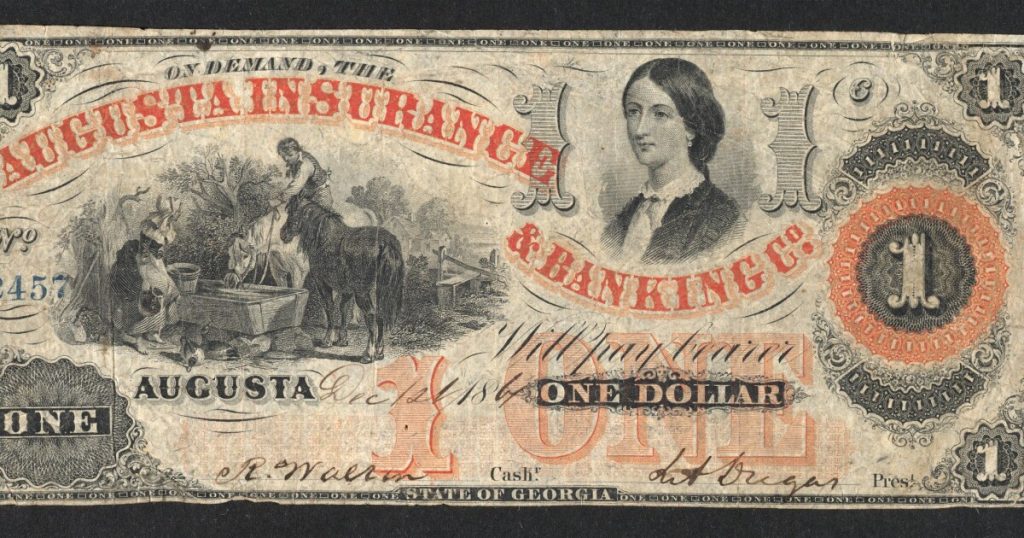
We must acknowledge that this fracturing is a self-imposed logistical nightmare that the industry will eventually have to clean up. It’s happened before: In the 1700s and 1800s, America was full of hundreds of different types of dollars issued by various banks. It was an unstable, inefficient mess. Interchange between different dollars was not always 1:1 and the further you were from an issuer (meaning literally how close you were geographically), the less your dollars were worth because of a lack of liquidity and interoperability. The system carried a cost that we risk mimicking if consumers end up paying fees to convert between different privately held coins. It was a mess that led to the creation of the Federal Reserve.
That’s not a journey we should be racing to repeat.