
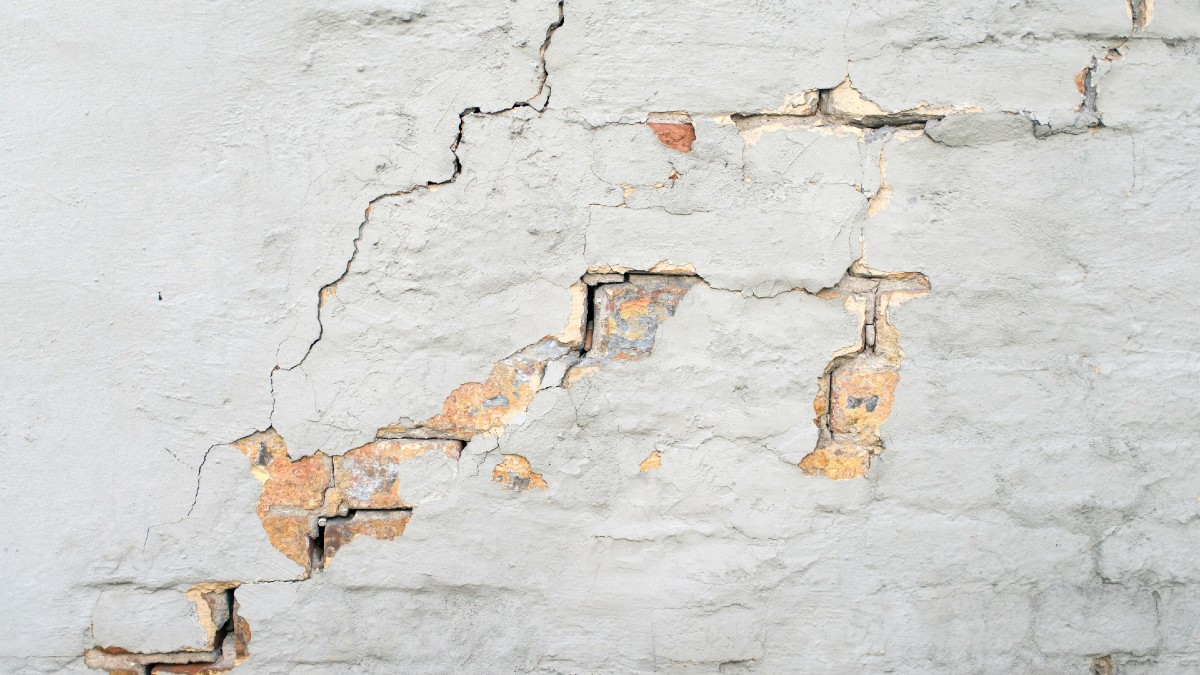
Buying a property is one of the biggest investments most of us will ever make. When you find the right place for you, why wouldn’t you want someone to cast a critical eye over it and warn you of potential flaws you mightn’t be able to see?
Building and pest inspectors can save a property buyer thousands – or at least let them know that they might be up for repairs or renovations. Still, some buyers choose to forgo them, particularly in hot markets where some may believe asking for inspections could see them miss out on a property.
Do I need a building and pest inspection?
In a word, yes. Ideally a pre-purchase building and pest inspection will be a condition of sale on your contract. Meaning, if the inspection returns unfavourable findings, the buyer can pull out of the sale, no questions asked.
Even if you’re wanting a quick transaction or you’ve have fallen in love with a home, it is recommended you arrange building and pest inspections before you go ahead with the purchase.
What is a building and pest inspection?
A building and pest inspection sees someone with a trained eye closely inspect the property to find flaws that often aren’t discernible when you’re being shown through in a routine home inspection. They provide peace of mind and, often, a safety net if there are any issues detected. To put it another way, it’s like getting a mechanic to check over a used car you want to buy. You can choose not to, but doing so can save you a lot of money and angst.
Building and pest inspections can be done separately or together. You can opt to have one and not the other, but it’s standard (and generally more cost-effective) to have them done simultaneously.
In simple terms, a building inspection aims to determine the structural integrity of the property and should investigate all areas, from top to bottom. That includes going into the roof and under the house. A building inspector should examine:
- Structure and foundations
- Rooves and eaves
- Any signs of water, stains, mould, or corrosion inside and out
- Ventilation, drainage, guttering, downpipes
- Ceilings and walls
- Cabinets
- Fencing and retaining walls
- Plumbing and electrical systems
Pest inspections also involve a thorough examination of your home to determine the presence (or past infestation) of termites and other pests such as ants, cockroaches, rats, and mice. Pest inspections give more focus to:
- Roof voids
- Subfloors
- All rooms in the house
- Fences
- Stumps and surrounding trees
Australia’s termite problem
Termites are said to be responsible for more than 80% of structural damage to Australian homes, and repairs are estimated to cost Australian homeowners around $1.5 billion a year. One report estimates one in three Australian homes will be treated for termite infestation or damage at some stage of their lives.
Termite activity can often be found behind walls, eaves, or in ceiling spaces – all of which you don’t typically see in a routine inspection of a home. As a buyer, it’s worth knowing whether you’re going up against these silent invaders before making a significant investment in a property.
How long does a building and pest inspection take?
A combined building and pest inspection should take an hour or two. Of course, that depends on how large the property is, whether the inspector encounters any difficulties, and the age of the house – older houses often take a bit longer.
How much does a building and pest inspection cost?
Generally speaking, building and pest inspections cost around $300 to $700, depending on the location, how large the property is, and what company you engage to do them. They’re generally more expensive in urban areas than in regional areas.
In any case, it’s a relatively small price to pay compared to buying a home that needs extensive repair or remediation work.
How long does it take to get a building and pest inspection report?
This varies from company to company and property to property. Many companies turn around inspection reports quickly, particularly if they’re aware a report is needed before settlement takes place. Some even offer same-day reports, though others may charge extra for fast turnarounds.
When your offer on a property is accepted, it’s advised to contact the real estate agent as soon as possible to arrange a time and date for inspections to take place.
How long is a building and pest inspection valid for?
Inspections are generally considered valid for four weeks after they’re conducted, though this varies.
Many companies won’t provide a guarantee on their reports after that time due to variables that can affect the condition of a property. For example, a significant storm could render a report outdated hours after an inspection was conducted. It’s recommended you check the terms and conditions of the inspection company you engage to ensure your inspection is valid for the amount of time you need it for.
Should I make an offer to purchase a home subject to a building and pest inspection?
Many lawyers advise their clients to make their contracts of sale subject to a building and pest inspection. This means the contract is conditional on the buyer getting a building and pest inspection report that is satisfactory to them.
If the building and pest inspection results in an unsatisfactory report, the buyer who put such a condition in place can either terminate the contract or negotiate new terms. This can include asking the seller to fix the issues before the sale takes place or drop the price so the buyer can tend to what needs to be done after settlement.
Some states and territories have set times for building and pest inspections to take place after a buyer has signed the contract. Others have time limits on when a buyer must inform the seller on the outcome of the reports. It’s strongly recommended you seek legal advice to ensure you are covered under your contract.
How do building and pest inspections differ between states and territories?
There is an Australian standard for building and pest inspection reports but the rules, requirements, and recommendations surrounding inspections are different according to what state you’re buying in.
In some states and territories, sellers are legally obliged to obtain inspection reports before they can list their properties for sale. Although that doesn’t mean buyers shouldn’t organise their own inspections to be safe.
Be warned, Queensland is the only state that requires building and pest inspectors to be trained, qualified, and registered, or licensed as a builder. Buyers in other states may need to do their homework on whose word they should trust, or who to engage.
Fun fact: Queensland also has licensed swimming pool inspectors, who you might turn to if the property you’re interested in has a pool.
Image by Oleg Stepanov on Unsplash
First published in May 2024