
Close Menu
  • Home
  • Finance News
  • Personal Finance
  • Investing
  • Cards
    • Credit Cards
    • Debit
  • Insurance
  • Loans
  • Mortgage
  • More
    • Save Money
    • Banking
    • Taxes
    • Crime
What's Hot

Gold Forecast 2026: Understanding Trump’s Debt Strategy

February 8, 2026

Best Extended Car Warranty Companies of 2026

February 8, 2026

What is the P/E ratio and how is it used?

February 8, 2026
Facebook X (Twitter) Instagram
Smart SpendingSmart Spending
Subscribe
  • Home
  • Finance News
  • Personal Finance
  • Investing
  • Cards
    • Credit Cards
    • Debit
  • Insurance
  • Loans
  • Mortgage
  • More
    • Save Money
    • Banking
    • Taxes
    • Crime
Smart SpendingSmart Spending
Home»Banking»Cannabis banking needs more than the SAFER Act
Banking

Cannabis banking needs more than the SAFER Act

September 24, 2025No Comments4 Mins Read
Facebook Twitter LinkedIn Telegram Pinterest Tumblr Reddit WhatsApp Email
Cannabis banking needs more than the SAFER Act
Share
Facebook Twitter LinkedIn Pinterest Email

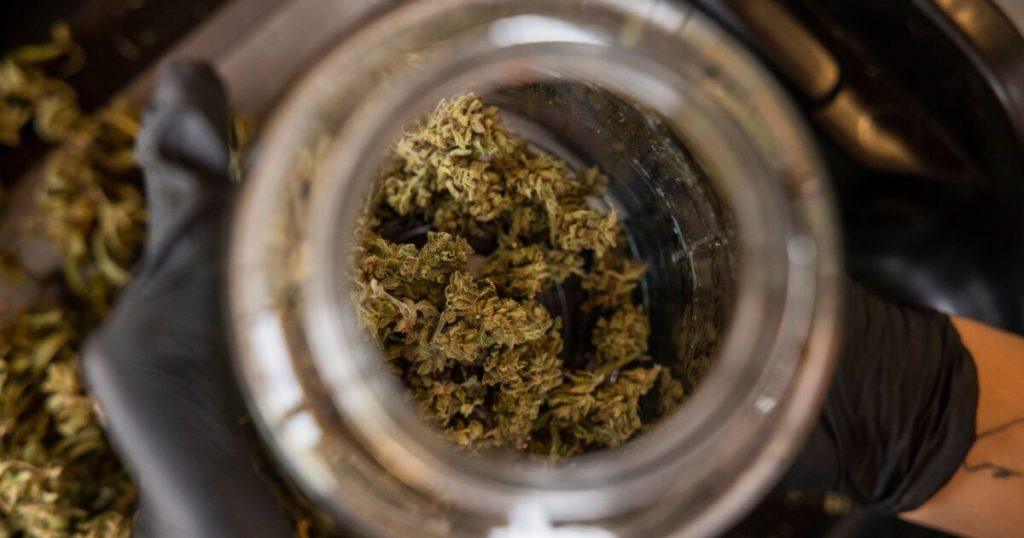
We don’t need to reinvent banking to support cannabis. But we do need a clear, federally coordinated compliance framework tailored to the sector. That means establishing uniform standards, writes Terry Mendez, of Safe Harbor Financial.

Victor Moriyama/Bloomberg

President Trump’s potential support for cannabis banking reforms has reignited debate in Washington and on Wall Street. While any momentum behind the Secure and Fair Enforcement, or SAFER, Banking Act would be welcomed by the cannabis industry, it would be foolish to interpret political posturing leading to an actual policy solution. Nor should it conflate incremental legal protection with the comprehensive regulatory overhaul this sector truly needs.

Even if Congress advances the SAFER Act or folds it into adjacent legislation, such efforts alone won’t resolve the fundamental obstacles cannabis-related businesses face in accessing safe, stable financial services. From the vantage point of cannabis financial services, the truth is clear: Without a purpose-built framework tailored to the cannabis sector’s unique risks, capital dynamics and regulatory fragmentation, the cannabis sector risks falling short of true financial inclusion.

The SAFER Act primarily offers legal protection to banks and credit unions serving cannabis businesses in states where they are legally allowed to operate. It addresses liability, but not the complexity. Today, the cannabis economy spans more than 41 states and territories, with each having its own, distinct set of rules, tax regimes and compliance mandates. Financial institutions need far more than legal permission — they need operational clarity, compliance guardrails, regulatory uniformity and a road map for navigating risk.

See also  Montana Adopts Uniform Public Expression Protection Act

Many institutions won’t bank cannabis clients until they have confidence that the federal government not only won’t penalize them, but also provides a standardized framework for onboarding, monitoring and reporting. The SAFER Act won’t do that as it leaves too much undefined.

Cannabis businesses operate in a uniquely complex environment. They’re legal within certain states but illegal federally. Many deal with high volumes of cash, have limited access to credit and are subject to Section 280E of the Internal Revenue code, which disallows ordinary business deductions. Small-business owners face persistent stigma and heightened regulatory scrutiny and their compliance requirements change constantly as local laws evolve.

Cannabis is no longer a fringe market — it’s a $38+ billion industry, generating tax revenue, creating jobs and revitalizing communities. Projections indicate a significant revenue increase to $76.39 billion by 2030, driven by increasing legalization and acceptance of both medical and recreational cannabis. Yet we still lack the kind of risk models, guidance and compliance standards that other sectors take for granted.

Many fintech companies have spent the past decade building an infrastructure that traditional banks can model and rely upon. They have developed onboarding procedures, know-your-customer and anti-money-laundering protocols, transaction monitoring, audit trails, and client education materials specifically for cannabis. These companies have facilitated billions in compliant transactions through financial institution partners across the country.

Through strategic partnerships, they have extended their ecosystems to include CFO-level advisory, audit readiness and access to capital — creating a financial foundation for operators that rivals any traditional industry.

This isn’t theoretical. It’s operational. And it’s working. But it’s happening in a vacuum, without federal coordination, oversight or long-term stability.

See also  Two-hour outage hits Monzo banking services

We don’t need to reinvent banking to support cannabis. But we do need a clear, federally coordinated compliance framework tailored to the sector. That means establishing uniform standards for due diligence and risk assessment, creating guidance on handling cash and armored transport, codifying reporting and monitoring for cannabis-related transactions and enabling fintech and nonbank participation in compliance innovation.

Most importantly, we need regulators and lawmakers to recognize cannabis as an emerging economic sector deserving of legitimate, stable financial support.

Financial institutions are watching and waiting. But fintechs are building. They are not waiting for the SAFER Act to pass — they are solving real problems now. Regulators, banks and legislators can learn from these experiences and codify what’s already working.

SAFER is a step. A framework is a strategy. The difference matters.

We need to start treating cannabis as a cornerstone of modern financial inclusion.

Source link

Act banking Cannabis safer
Share. Facebook Twitter Pinterest LinkedIn Tumblr Telegram Email
Previous ArticleAKAL launches AKAL Canada brand to drive national expansion
Next Article AI CFA exam pass minutes study

Related Posts

Exclusive: Warren targets narrowed bank risk oversight proposal

February 7, 2026

The future of palm biometrics after Amazon’s pullback | PaymentsSource

February 7, 2026

Fed’s Jefferson wary of inflationary pressure from AI

February 7, 2026
Add A Comment
Leave A Reply Cancel Reply

Top Posts

Senate curtails path for swipe fee bill addition to stablecoin legislation

June 11, 2025

What Is Business Loan Forbearance?

August 26, 2025

How to invest in a pro sports team

January 15, 2025
Ads Banner

Subscribe to Updates

Subscribe to Get the Latest Financial Tips and Insights Delivered to Your Inbox!

Stay informed with our finance blog! Get expert insights, money management tips, investment strategies, and the latest financial news to help you make smart financial decisions.

We're social. Connect with us:

Facebook X (Twitter) Instagram YouTube
Top Insights

Gold Forecast 2026: Understanding Trump’s Debt Strategy

February 8, 2026

Best Extended Car Warranty Companies of 2026

February 8, 2026

What is the P/E ratio and how is it used?

February 8, 2026
Get Informed

Subscribe to Updates

Subscribe to Get the Latest Financial Tips and Insights Delivered to Your Inbox!

© 2026 Smartspending.ai - All rights reserved.
  • Contact
  • Privacy Policy
  • Terms & Conditions

Type above and press Enter to search. Press Esc to cancel.