
Adobe Stock
Processing Content
- Key insight: Branchless and out-of-state banks are harvesting deposits in Florida and lending them out elsewhere.
- What’s at stake: ‘Carpetbagging banks’ have lead to serious underinvestment in desperately needed infrastructure and affordable housing.
- Forward look: Miami’s newest billionaire residents are paying big bucks for their megamansions. A surtax on homes costing $1 million or more could help solve the state’s affordable housing crisis.
“Don’t New York My Florida!”
This increasingly popular bumper sticker seen across my
The influx includes retirees, remote professionals and financial executives relocating to South Florida.
Florida is the fastest-growing state according to the
This population explosion strains our overburdened highways, schools, hospitals, water systems and other infrastructure, not to mention our fragile environment.
I also recognize when New York “Wall Streets My Brickell Avenue,” it means more businesses and jobs diversifying our tourist-based economy. Beyond international banks, “Wall Street South” now hosts hedge funds, private equity, family offices and other financial institutions.
Of Florida’s 67 counties, I estimate the three South Florida ones — Miami-Dade, Broward and Palm Beach, home of the Southern White House — represent as much as half of Florida’s wealth, including investments, international capital and real estate equity.
As an economist, my greatest concern is
Wealthy Wall Streeters and others escaping high taxes have made a bad situation worse.
South Florida is
Miami has one of the nation’s worst
How bad is it? Some local businesses now advertise “Help wanted – Housing provided.” When employers bundle shelter with wages, affordable housing is at DEFCON 1.
Every relocating “one percenter” buying a waterfront megamansion requires
These low- and moderate-income, or LMI, service workers are essential to the functioning of the high-end residential economy.
But, where are they supposed to live?
With Miami-Dade County being
Miami has long been called New York’s
Meanwhile, our
I prefer private rather than government fixes for social problems, but they don’t always work. Because the one percenters, making $500,000 or more, exacerbated our affordable housing crisis, I proposed
My 1% surtax proposal on homes costing $1 million or more would flow into an affordable housing fund. This “1 on 1” surtax for migrating one percenters enjoying our beautiful weather and water in the nation’s top tax haven addresses a problem they helped create. Call it a “paradise tax.”
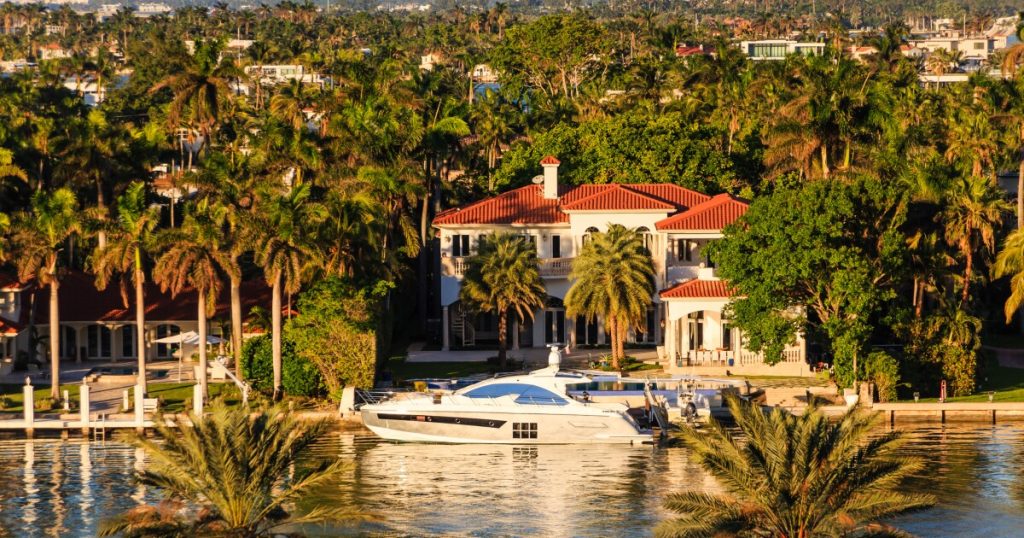
Miami’s newest billionaire residents are paying big bucks for their
My 2021 proposal went nowhere, so I refocused on the private sector, namely banks benefiting from Florida’s more than $1.5 trillion of estimated deposits. Less than two-thirds is held in
With just
Most banks, especially those based here, do their fair share of Community Reinvestment Act reinvesting, helping with affordable housing. This is not the case, however, for two types of what I’ve long called “
Out-of-state carpetbagger banks open Florida branches to harvest deposits and lend them elsewhere.
Internet, credit card, fintech and other branchless banks are the most egregious carpetbaggers, siphoning more than $200 billion of Florida deposits without any required reinvestment. Large branch-based banks might reinvest about $4 billion or
My CRA solution to this
Bottom line: Without a 1% surtax or 5% rule, we continue to kick the growth, infrastructure and affordable housing can down the Florida Turnpike until new taxes are required. If that happens, we cannot blame New York or anyone else but ourselves.
Maintaining the status quo may keep us first in growth and wealth but last in public policy planning.
How do we Common Sense My Florida?