
Close Menu
  • Home
  • Finance News
  • Personal Finance
  • Investing
  • Cards
    • Credit Cards
    • Debit
  • Insurance
  • Loans
  • Mortgage
  • More
    • Save Money
    • Banking
    • Taxes
    • Crime
What's Hot

Airbus, AstraZeneca and HSBC executives join UK’s Starmer on high-stakes China trip

January 28, 2026

Fed likely to keep rates steady as economy shows mixed signals

January 28, 2026

How to improve your credit score

January 28, 2026
Facebook X (Twitter) Instagram
Smart SpendingSmart Spending
Subscribe
  • Home
  • Finance News
  • Personal Finance
  • Investing
  • Cards
    • Credit Cards
    • Debit
  • Insurance
  • Loans
  • Mortgage
  • More
    • Save Money
    • Banking
    • Taxes
    • Crime
Smart SpendingSmart Spending
Home»Finance News»How markets performed for investors so far
Finance News

How markets performed for investors so far

June 10, 2025No Comments3 Mins Read
Facebook Twitter LinkedIn Telegram Pinterest Tumblr Reddit WhatsApp Email
How markets performed for investors so far
Share
Facebook Twitter LinkedIn Pinterest Email

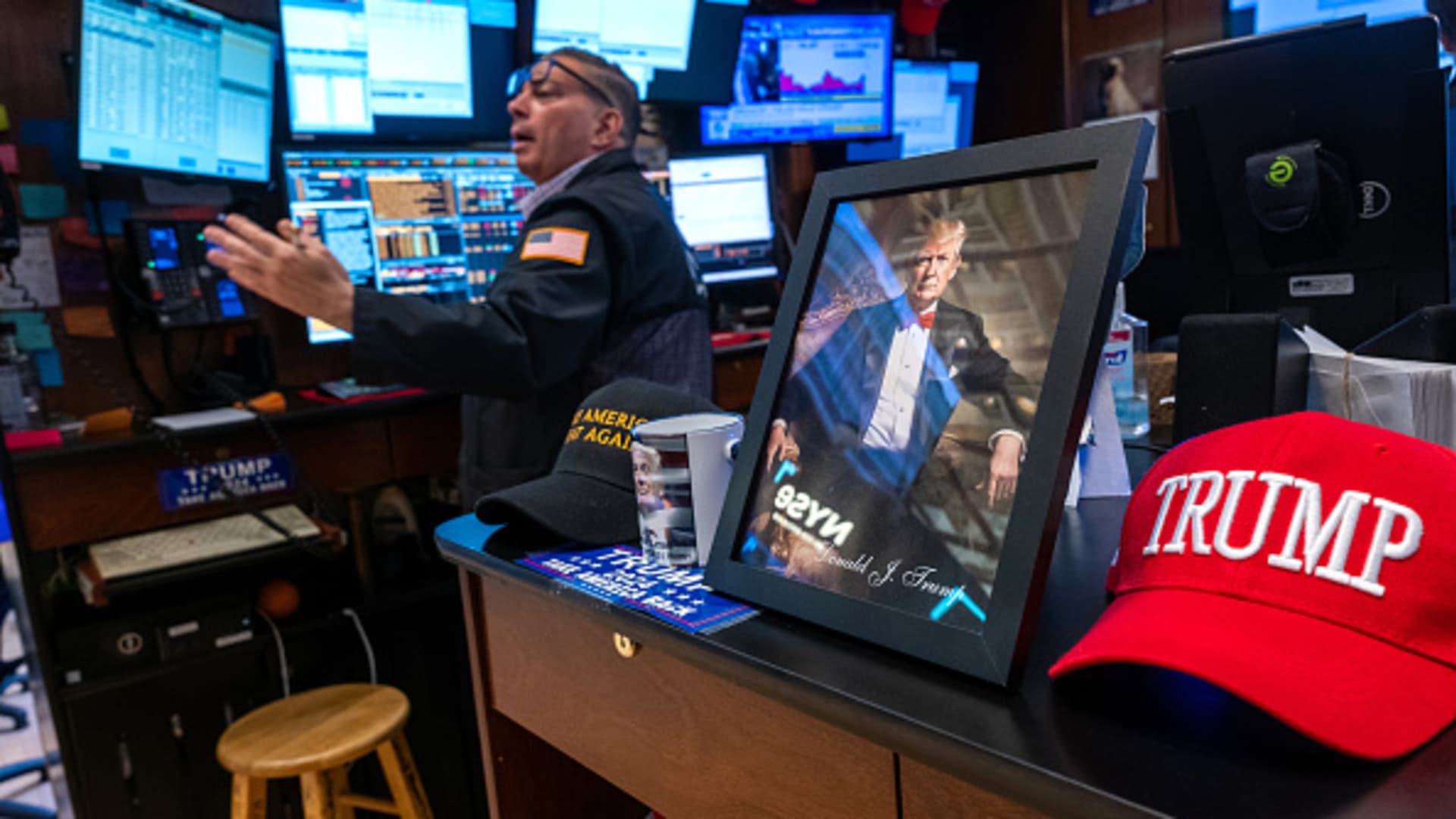
Traders work on the New York Stock Exchange floor on Dec. 18, 2024.

Spencer Platt | Getty Images

For all the drama in the stock market of late, investors’ portfolio balances may not look too different from when President Donald Trump entered office.

There have been some unnerving days amid the Trump administration’s tariff policies. The S&P 500 dropped by 2% or more on six days between Jan. 20 and June 6, according to data provided to CNBC by Morningstar Direct. During that period, there were 18 days where the index shed 1% or more.

Still, the S&P 500’s annualized return for Trump’s second presidency is positive, at 1.58%, Morningstar Direct found.

With more market swings on the horizon amid threats of a worsening trade war and warning signs in the labor market, the numbers serve up an old lesson for investors: When the market is freaking out, it pays to stay calm.

“I always remind clients that volatility doesn’t predict direction,” said Cathy Curtis, the founder of Curtis Financial Planning in Oakland, California. She is a member of CNBC’s Financial Advisor Council.

Other early presidential terms led to bigger returns

Investors have reaped bigger returns in the early days of previous presidents.

The S&P 500’s annualized return was over 34% in the roughly first five months of former President Joe Biden’s tenure, Morningstar Direct calculated. Meanwhile, the index was up around 30% during that same period in former president Barack Obama’s first and second term.

More from FA Playbook:

Here’s a look at other stories affecting the financial advisor business.

See also  Simple Tips To Maximize The Tax Benefits Of Your Charitable Giving

But there have been worse starts to recent presidencies than Trump’s second term, as well.

The S&P 500 had a negative annualized return of about 12% during former President George W. Bush’s first term, up until June 6, 2001. There were also 23 days in those first months for Bush where the S&P 500 declined 1% or more.

“Sharp daily declines can test resolve, but the market’s resilience highlights the peril of impulsive exits during turbulence,” said Douglas Boneparth, a certified financial planner and the founder of Bone Fide Wealth. He is also a member of CNBC’s Financial Advisor Council.

An ‘unmistakable’ long-term trend

In practice, investors want to keep their money in the market over decades, and many presidencies.

Almost all presidential terms since President Jimmy Carter saw healthy stock market returns for the full four or eight years, Mark Motley, portfolio manager at Foster & Motley in Cincinnati, wrote in a pre-election market update. The exception: President George W. Bush, due to the Great Recession.

Foster & Motley is No. 34 on the 2024 CNBC Financial Advisor 100 list.

To prove that point to clients, Curtis will show a chart of the S&P 500 going back to 1950.

For example, if you invested $1,000 in the index on Jan. 20, 1950, when Harry S. Truman was president, you’d have around $3.8 million as of the market’s close on June 6 of this year, Morningstar Direct found.

“The short-term dips are unmistakable, but so is the overall upward trend,” Curtis said.

Source link

investors markets performed
Share. Facebook Twitter Pinterest LinkedIn Tumblr Telegram Email
Previous ArticleFormer FDIC chair fears deregulation could spur new crisis
Next Article Retirement Plan Rollovers: Understanding the Basics

Related Posts

Airbus, AstraZeneca and HSBC executives join UK’s Starmer on high-stakes China trip

January 28, 2026

How to improve your credit score

January 28, 2026

One year after DeepSeek, Chinese AI firms from Alibaba to Moonshot race to release new models

January 28, 2026
Add A Comment
Leave A Reply Cancel Reply

Top Posts

What Are the Rules for Opening an IRA?

May 7, 2025

Huge Changes To Student Loan Repayment Plans Are Coming, And Borrowers Could Pay A Steep Price

April 9, 2025

Did Mortgage Lenders Raise Their Early Bird 2025 Conforming Loan Limits Too High?

October 13, 2024
Ads Banner

Subscribe to Updates

Subscribe to Get the Latest Financial Tips and Insights Delivered to Your Inbox!

Stay informed with our finance blog! Get expert insights, money management tips, investment strategies, and the latest financial news to help you make smart financial decisions.

We're social. Connect with us:

Facebook X (Twitter) Instagram YouTube
Top Insights

Airbus, AstraZeneca and HSBC executives join UK’s Starmer on high-stakes China trip

January 28, 2026

Fed likely to keep rates steady as economy shows mixed signals

January 28, 2026

How to improve your credit score

January 28, 2026
Get Informed

Subscribe to Updates

Subscribe to Get the Latest Financial Tips and Insights Delivered to Your Inbox!

© 2026 Smartspending.ai - All rights reserved.
  • Contact
  • Privacy Policy
  • Terms & Conditions

Type above and press Enter to search. Press Esc to cancel.