
Frank Gargano
Americans have
Processing Content
Yet alongside this progress, a troubling mindset is gaining ground. Plaid CEO Zach Perret recently said many small-town banks “should be consolidated,” drawing attention to a growing belief among some fintech leaders, policymakers and regulators. The idea being that small,
Let’s set aside the fact that community banks consistently earn high marks from the consumers and small businesses they serve — and that community banks are key contributors to underserved communities, such as rural America, where many large institutions do not have branches. Whether we need
Too often, public policy now leans toward the latter. Since the 2010 Dodd-Frank Act, federal regulations have made it increasingly difficult for midsize and regional institutions to compete. The result has been more top-down pressure, more compliance hurdles and a steady push toward consolidation.
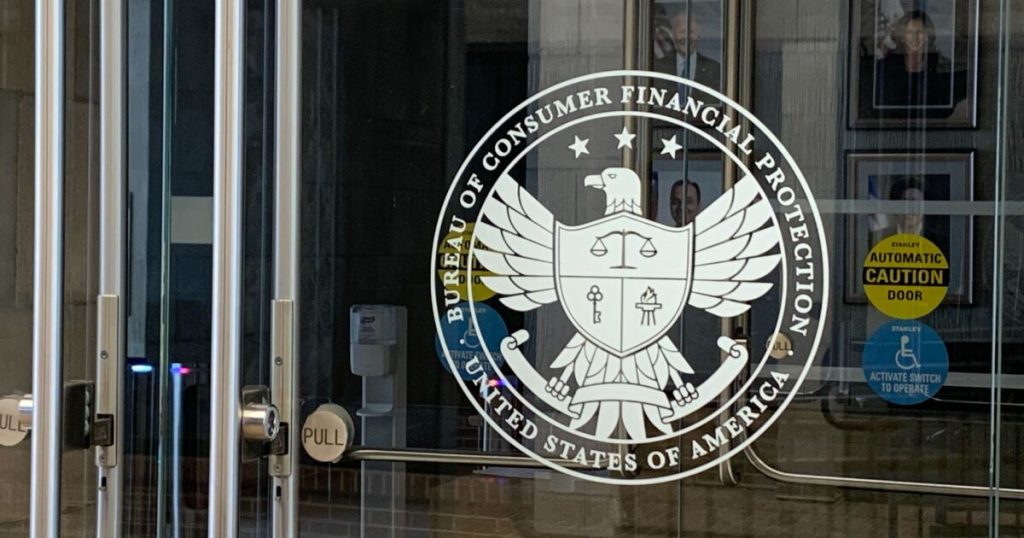
Consider the Consumer Financial Protection Bureau’s Section 1033 “open banking” rule. It’s pitched as a pro-consumer policy — one that allows people to share their financial data across platforms and providers. That sounds reasonable. But the rule goes much further. It requires banks and credit unions to provide major technology companies and data aggregators access to their proprietary infrastructure and customers’ data at no cost.
In practice, that’s essentially a price control. It tells financial institutions they must give away something of real value without negotiation or compensation. It also puts smaller institutions on the hook to implement costly new systems and compliance regimes to the benefit of technology companies seeking to profit from their data. That’s not how free markets work. It’s how regulators discourage innovation.
Real innovation doesn’t stem from wiping out smaller institutions or forcing consolidation. Innovation comes from fair competition, secure data protocols, and clear rules that apply equally to banks and fintechs of all sizes. If a financial institution can’t meet consumer needs, it should lose customers. If a new platform offers something better, it should win on merit — not through regulatory favors or federal mandates.
The Trump administration did the right thing when it paused implementation of Section 1033 and reopened the rulemaking process. But we shouldn’t stop there.
It’s time to reconsider the broader legacy of Dodd-Frank and the unchecked authority of the CFPB. These structures have imposed significant burdens on smaller banks, increased systemic risk by pushing consolidation, and removed key decisions from the marketplace and placed them in the hands of regulators.
Americans don’t benefit when a handful of platforms become the default gateway for financial access. They benefit when multiple institutions are allowed to experiment, adapt, and serve people according to local needs and personal preferences. A system with fewer players might look more efficient on paper, but it also becomes more fragile, more distant and more easily manipulated from the top.
Policymakers should reject the consolidation-at-all-costs narrative. That includes rent-seeking by fintech companies, rulemaking from agencies with too much discretion and regulation that substitutes bureaucratic judgment for consumer choice.
We may not need as many banks as we have today — but that’s for the market to decide. Not Washington. Not Silicon Valley. And certainly not those who benefit from rigging the system.
If we want a financial system that remains strong, competitive, and open to innovation, we should protect the principle that built it in the first place: freedom to choose.