
Close Menu
  • Home
  • Finance News
  • Personal Finance
  • Investing
  • Cards
    • Credit Cards
    • Debit
  • Insurance
  • Loans
  • Mortgage
  • More
    • Save Money
    • Banking
    • Taxes
    • Crime
What's Hot

7 Best Online Legal Services of 2026

March 23, 2026

The 3 biggest Bitcoin crashes in history — and how to spot the next one before it happens

March 23, 2026

Mastercard says it’s acquiring stablecoin startup BVNK in $1.8B crypto bet

March 23, 2026
Facebook X (Twitter) Instagram
Smart SpendingSmart Spending
Subscribe
  • Home
  • Finance News
  • Personal Finance
  • Investing
  • Cards
    • Credit Cards
    • Debit
  • Insurance
  • Loans
  • Mortgage
  • More
    • Save Money
    • Banking
    • Taxes
    • Crime
Smart SpendingSmart Spending
Home»Banking»OCC outlines plan for referring regulatory offenses to DOJ
Banking

OCC outlines plan for referring regulatory offenses to DOJ

June 21, 2025No Comments3 Mins Read
Facebook Twitter LinkedIn Telegram Pinterest Tumblr Reddit WhatsApp Email
OCC outlines plan for referring regulatory offenses to DOJ
Share
Facebook Twitter LinkedIn Pinterest Email

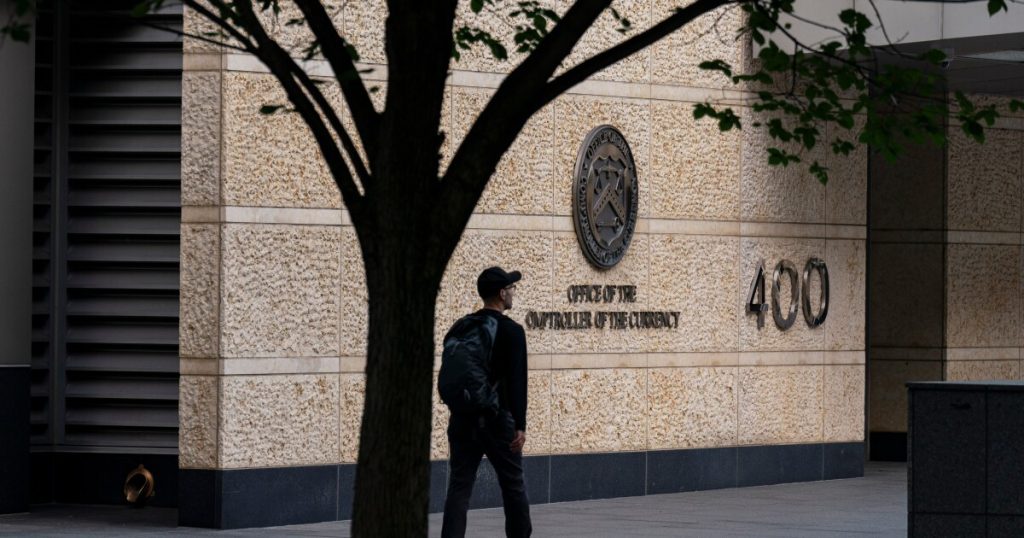
The Office of the Comptroller of the Currency this week issued a notice announcing it will comply with a recent executive order aimed at curbing overcriminalization in federal regulations.

OCC’s guidance, published Friday in the Federal Register, reminds staff to carefully consider criminal referrals and give the financial industry some very clear guidelines for where offenses will meet criminal thresholds. In a release, the agency also described a general policy for how its staff should weigh referrals to the Department of Justice, “subject to appropriate exceptions and to the extent consistent with law.” 

The OCC guidance puts emphasis on staff discretion and the actual or potential harm caused by the alleged offense in question when considering criminal regulatory referrals. Staff should consider the financial upside for the alleged offender and whether the person had industry-specific knowledge or licensure, as well as the alleged offender’s knowledge of the regulations at issue, or “lack thereof.” 

Staff are also instructed to weigh whether the person likely understood their conduct was illegal — adding a subjective awareness test to staff decision-making. The agency frames this as general policy guidance rather than a legally binding standard, but it reflects a broader move to tailor enforcement to intent, impact and context.

The president issued an executive order on May 9 entitled “Fighting Overcriminalization in Federal Regulations,” requiring agencies to review their processes for criminal referrals of regulatory offenses. The OCC said that as part of its compliance with the order, it will also produce a report in consultation with the Attorney General Pam Bondi by May 9, 2026, listing all criminal regulatory offenses it can enforce, including their penalty ranges and required mental state standards applicable to each regulatory offense.

See also  Credit unions' reliance on overdraft fees comes into focus

Regulators have historically referred regulatory offenses to the Department of Justice only rarely, and regulators and law enforcement were criticized in some quarters for not pursuing more criminal penalties in the wake of the Global Financial Crisis more than a decade ago.

When Biden-appointed Attorney General Merrick Garland announced a historic $3 billion settlement with TD Bank last year, the Biden-DOJ did not impose any criminal charges against executives despite overseeing a years long money-laundering conspiracy. While prosecutors said they charged more than two dozen individuals, including two bank insiders who accepted bribes, none of the bank’s supervisors or executives were named in the October actions.

Experts say the reluctance to charge bank executives individually stems from the complexity of proving personal intent in a diffuse decision-making environment, the legal strategy of focusing on corporate fines and the institutional size that provides a shield of protection.

Decisions by big banks like TD are made through layers of bureaucracy, which fragments accountability and makes it hard to pin criminal charges on any one person. Prosecutors must show that a specific executive not only knew about illegal conduct but intended to commit or allow it — something that can be challenging when responsibilities are dispersed and records don’t necessarily include statements of intent. Larger banks also have more resources available to fight or negotiate any criminal compliance obstacles, leading prosecutors to settle for corporate fines and compliance reforms rather than pursue lengthy, high-risk trials. 

Source link

DOJ OCC offenses outlines Plan referring regulatory
Share. Facebook Twitter Pinterest LinkedIn Tumblr Telegram Email
Previous ArticleThe 5 “Non-Negotiables” of Making Winning Trades
Next Article Klarna CEO outlines plan to become super app with AI

Related Posts

Payment leaders talk about AI-era careers | PaymentsSource

March 22, 2026

Experts celebrate White House reversal on bank citizenship EO

March 21, 2026

Piermont hires Day, ABA’s fraud directory goes global | PaymentsSource

March 21, 2026
Add A Comment
Leave A Reply Cancel Reply

Top Posts

CMG, AMD, AMGN and more

February 4, 2026

Trump Will Modify Public Service Loan Forgiveness Via Executive Order

March 8, 2025

How beauty expenses affect your finances

July 12, 2025
Ads Banner

Subscribe to Updates

Subscribe to Get the Latest Financial Tips and Insights Delivered to Your Inbox!

Stay informed with our finance blog! Get expert insights, money management tips, investment strategies, and the latest financial news to help you make smart financial decisions.

We're social. Connect with us:

Facebook X (Twitter) Instagram YouTube
Top Insights

7 Best Online Legal Services of 2026

March 23, 2026

The 3 biggest Bitcoin crashes in history — and how to spot the next one before it happens

March 23, 2026

Mastercard says it’s acquiring stablecoin startup BVNK in $1.8B crypto bet

March 23, 2026
Get Informed

Subscribe to Updates

Subscribe to Get the Latest Financial Tips and Insights Delivered to Your Inbox!

© 2026 Smartspending.ai - All rights reserved.
  • Contact
  • Privacy Policy
  • Terms & Conditions

Type above and press Enter to search. Press Esc to cancel.