

Vicky Parry
17th Feb 2026
Reading Time: 3 minutes
TV licence rising to £180: what’s happening — and what happens if you don’t pay
Millions of households across the UK will soon see their TV licence bill go up again, with the annual fee rising to £180 from April 2026.
The increase of £5.50 may seem modest, but with household bills still under pressure, many are asking whether they actually need to pay — and what happens if they don’t.
Here’s everything you need to know, including the real risks of not having a licence.
How much the TV licence is rising
From 1 April 2026, the cost of a standard colour TV licence will rise from £174.50 to £180 per year.
That’s an extra 46p a month for households paying the full fee. The price rise is part of a government agreement allowing the fee to increase in line with inflation until at least 2027.
The new price will apply when your licence next renews after April.
Who actually needs to pay the TV licence?
You legally need a TV licence if you:
-
Watch or record live TV on any channel
-
Stream live TV via services like ITVX, Sky Go or YouTube Live
-
Watch anything on BBC iPlayer, live or on demand
You don’t need a licence if you only watch on-demand streaming such as Netflix, Disney+ or Amazon Prime — and never watch live TV or BBC iPlayer.
However, watching even a single live broadcast without a licence can count as an offence.
What happens if you don’t pay the TV licence?
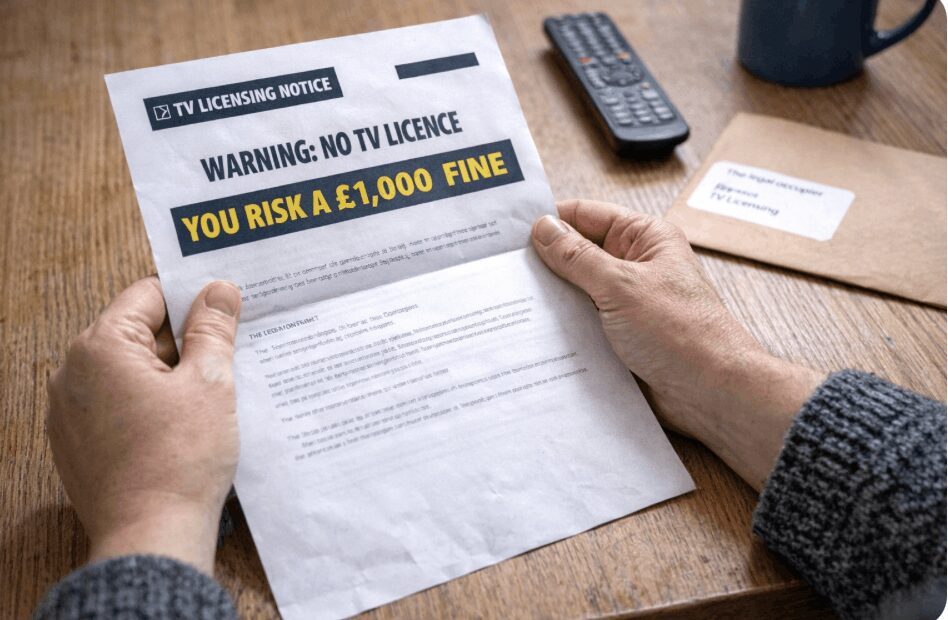
Not paying when you need one is a criminal offence, and enforcement is handled by TV Licensing.
Here’s how it typically works:
Letters and warnings
If you don’t have a licence registered at your address, you’ll usually receive letters warning that one may be required. These can escalate in tone over time.
Visits from enforcement officers
TV Licensing officers can visit your home to check whether you’re watching live TV without a licence.
They cannot force entry without a warrant, but they can ask questions and may gather evidence if they believe an offence is being committed.
Investigation and prosecution
If you’re found watching live TV or BBC iPlayer without a licence, you can be prosecuted and fined.
The maximum penalty is up to £1,000 (or £2,000 in Guernsey), plus court costs and a victim surcharge.
This is a criminal conviction, though it does not usually result in a prison sentence on its own.
Can you go to prison?
You cannot be jailed simply for not having a TV licence.
However, you could face prison in rare cases if you are prosecuted, fined by the court and then refuse to pay that fine. This is because non-payment of court fines can ultimately lead to imprisonment.
How many people are prosecuted?
TV licence prosecutions still make up a significant proportion of magistrates’ court cases in England and Wales each year, though numbers have fluctuated as viewing habits change and enforcement practices evolve.
The issue has long been controversial, with campaigners arguing that criminal penalties for non-payment are too harsh, while supporters say enforcement is necessary to fund public broadcasting fairly.
Discounts and ways to reduce the cost
Before risking fines, it’s worth checking if you qualify for help:
-
Free licence if over 75 and receiving Pension Credit
-
50% discount if registered blind or severely sight-impaired
-
Possible reductions for some care home residents
You can also spread the cost with monthly or weekly payment plans.
Read our complete guide here.
The future of the TV licence
The latest rise comes as the government reviews how the BBC should be funded in the future. The current licence fee system is guaranteed until the end of 2027, when the BBC’s Royal Charter expires.
Possible future options being discussed include:
But for now, households who watch live TV or BBC iPlayer will still need to pay — or risk enforcement action.