
Close Menu
  • Home
  • Finance News
  • Personal Finance
  • Investing
  • Cards
    • Credit Cards
    • Debit
  • Insurance
  • Loans
  • Mortgage
  • More
    • Save Money
    • Banking
    • Taxes
    • Crime
What's Hot

Can You Live on $25,000 a Year?

April 15, 2026

Survey: Real estate stays on top as Americans’ favorite investment for the long term

April 15, 2026

Chinese robotaxi companies forge ahead with UAE expansion despite Iran war

April 15, 2026
Facebook X (Twitter) Instagram
Smart SpendingSmart Spending
Subscribe
  • Home
  • Finance News
  • Personal Finance
  • Investing
  • Cards
    • Credit Cards
    • Debit
  • Insurance
  • Loans
  • Mortgage
  • More
    • Save Money
    • Banking
    • Taxes
    • Crime
Smart SpendingSmart Spending
Home»Banking»The US is badly behind the curve on access to the payments system
Banking

The US is badly behind the curve on access to the payments system

November 19, 2024No Comments4 Mins Read
Facebook Twitter LinkedIn Telegram Pinterest Tumblr Reddit WhatsApp Email
The US is badly behind the curve on access to the payments system
Share
Facebook Twitter LinkedIn Pinterest Email

The U.S. is alone among G7 nations in not allowing nonbanks direct access to vital payments rails. It’s past time for regulations to catch up with clear consumer preferences, writes Rina Wulfing, of Wise.

Adobe Stock

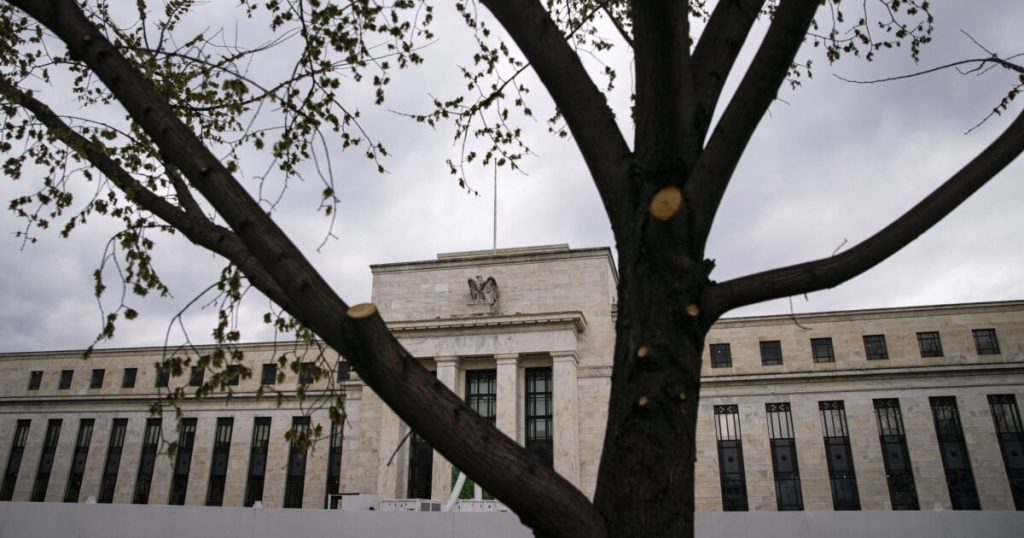
In a recent speech at the Chicago Payments Symposium, Treasury Under Secretary Nellie Liang laid out her vision for payments modernization in the United States. Toward the end of her remarks, she voiced support for a monumental shift that could potentially affect the future of U.S. payments — including international payments. The policy change? Allowing payments companies to directly access the Federal Reserve payments rails.

At face value, this sounds simple and clear. Expanding access to the Federal Reserve should be on the road map of payments modernization in the U.S. for regulators and policymakers, especially given the innovations and advancements across financial services today. But the U.S. payments system as it stands is outdated. It reflects decades-old consumer preferences established at a time when a regional bank handled every aspect of our financial lives.

More specifically, the reality of sending and receiving money for most Americans has changed. Today, Americans sending money have plenty of options, from using a traditional bank to digital-first offerings, which often provide faster, more affordable payments. Consumers prefer — and have come to expect — faster, more affordable and transparent payment services. Financial technology companies and digital-first products have risen to that challenge. Unfortunately, U.S. regulation has not kept pace.

That brings us back to Under Secretary Liang’s speech. She indicated that the future of payments must include direct access for payments companies to Federal Reserve payments services, as it will “promote competition and innovation for payment services.”

See also  Trump points finger at big banks in debanking battle

While Liang’s speech is an encouraging step toward payments modernization, the U.S. Department of the Treasury alone cannot make this change. The Federal Reserve is the ultimate decision maker on expanded access to its payments systems.

Today, the only way for any financial institution to gain access to the Federal Reserve payments system is to obtain a Master Account. This is intended for depository institutions, with a full suite of services related to deposit-taking and lending activity. However, these services are not directly related to payments and, in fact, offer completely different benefits to consumers. Payments companies should be treated differently than other depository institutions given the entirely different set of activities and risks involved in their operations.

Other countries have been able to decouple lending from payments when it comes to how financial institutions use central banks’ services. Around the world, expanded access to payments systems has been enabled for qualified nonbank payments companies. This has been done using a risk-based criteria, which allows for financial stability to be maintained as payments companies access these critical systems. In doing so, consumers in countries like Japan, Australia, the Philippines, Brazil, Singapore, the U.K. and Hungary are now able to access faster and more affordable payments. This has all been done while still safeguarding the integrity of the system by granting access only to financial institutions fulfilling an array of stringent risk-based criteria.

As a result, payments are more seamless and easier to manage in these countries, both domestically and internationally. Americans deserve the same fast, affordable and secure payments.

See also  Critics question stablecoins' role in the financial system

It is past time for U.S. regulations to catch up with consumer preferences and global trends, and to allow thoughtful, risk-based access to payments systems. As it stands, the U.S. is the only G7 economy that has not opened up access to payments systems nor has plans to do so.

While the Treasury’s endorsement of this common-sense policy is a refreshing step forward, we must now look to others for action. Congress can pass legislation to expand eligibility to the Federal Reserve payments systems. Alternatively, the Federal Reserve can update its access criteria to allow nondepository payments companies to connect with systems directly, for example by using their existing authority to decouple Master Account access from payment systems access.

Consumers have paid too much, and waited too long, for their payments to catch up to their current needs. It’s time for our policymakers and regulators to act.

Source link

Access Badly curve payments system
Share. Facebook Twitter Pinterest LinkedIn Tumblr Telegram Email
Previous Article2025 FEHB Health Plan Choices
Next Article WMT, LOW, INTU, KHC and more

Related Posts

Judge rejects DOJ-Colony Ridge settlement

April 15, 2026

Kraken faces extortion threat over rogue employee breach

April 15, 2026

Jumbo loans are creeping into non-QM, HELOC securities

April 14, 2026
Add A Comment
Leave A Reply Cancel Reply

Top Posts

Federal workers question legality of OPM ‘buyout’ FAQ memo

February 1, 2025

Amalgamated Bank discriminated against employees: Lawsuit

May 30, 2025

Education Department to delay collections on defaulted student loans

January 16, 2026
Ads Banner

Subscribe to Updates

Subscribe to Get the Latest Financial Tips and Insights Delivered to Your Inbox!

Stay informed with our finance blog! Get expert insights, money management tips, investment strategies, and the latest financial news to help you make smart financial decisions.

We're social. Connect with us:

Facebook X (Twitter) Instagram YouTube
Top Insights

Can You Live on $25,000 a Year?

April 15, 2026

Survey: Real estate stays on top as Americans’ favorite investment for the long term

April 15, 2026

Chinese robotaxi companies forge ahead with UAE expansion despite Iran war

April 15, 2026
Get Informed

Subscribe to Updates

Subscribe to Get the Latest Financial Tips and Insights Delivered to Your Inbox!

© 2026 Smartspending.ai - All rights reserved.
  • Contact
  • Privacy Policy
  • Terms & Conditions

Type above and press Enter to search. Press Esc to cancel.